If radiant, youthful skin is on your wishlist, there’s one protein you need to know more about collagen. Often referred to as the “scaffolding” of the skin, collagen gives your skin its firmness, elasticity, and structure. But as we age, collagen levels begin to decline, leading to fine lines, sagging, and dullness. While skincare products may help on the surface, true transformation begins from within.
The good news? Nature offers powerful solutions. Certain fruits, rich in vitamin C, antioxidants, and amino acid precursors, can naturally boost collagen production. This blog explores the best collagen-rich fruits, helpful lifestyle habits, and the role of collagen supplements (including vegan options) for healthy, glowing skin.
Why Collagen Matters
Collagen is the most abundant protein in the human body. It makes up about 80-90% of your skin and is also found in your bones, muscles, tendons, and ligaments. [NIH] Think of it as the glue that holds everything together. When collagen levels are adequate, your skin looks plump, smooth, and youthful. When depleted, it starts to sag, wrinkle, and lose its glow.
Factors like age, sun exposure, stress, poor diet, smoking, and pollution can speed up collagen breakdown. That’s why maintaining healthy collagen levels through the right foods and supplements becomes so important.
Fruits With High Collagen-Supporting Potential
While fruits don't directly contain collagen, many are rich in vitamin C, polyphenols, and antioxidants that stimulate collagen synthesis in the body. Here are the top collagen fruits for skin that deserve a place in your daily routine:
1. Citrus Fruits

Oranges, lemons, limes, and grapefruits are powerhouse sources of vitamin C, an essential co-factor in collagen synthesis. Vitamin C plays a vital role in stabilizing and cross-linking collagen molecules, helping the skin maintain elasticity and structure. Starting your day with a glass of lemon water or adding orange slices to salads is a simple yet effective way to support collagen.
2. Berries

Strawberries, blueberries, raspberries, and blackberries are antioxidant-rich fruits that protect collagen from free radical damage. Strawberries also provide ellagic acid, which helps prevent collagen breakdown from UV exposure. Berries can be added to smoothies, oatmeal, or enjoyed as a midday snack.
3. Papaya

This tropical fruit is loaded with vitamin C, vitamin A, and the enzyme papain, which promotes skin renewal and improves collagen metabolism. Regular consumption of papaya can help reduce pigmentation, soften the skin, and improve overall texture.
4. Pomegranate

Pomegranates are rich in ellagitannins and polyphenols that promote collagen production and protect against photoaging. They also contain punicalagin, an antioxidant known to inhibit collagen degradation. Add pomegranate seeds to yogurt bowls or salads for a juicy collagen-boosting kick.
5. Kiwi

Surprisingly, kiwi contains more vitamin C than oranges and is also high in vitamin E and antioxidants. It aids in collagen synthesis and protects skin from oxidative damage, helping keep it firm and plump.
6. Guava
 Guava is one of the richest fruit sources of vitamin C. Just one guava can provide more than double your daily vitamin C requirement. It also contains Zinc, a mineral essential for collagen formation. You can enjoy guava as is or blend it into juices or smoothies.
7. Mango & Pineapple

Mangoes are rich in beta-carotene and vitamin A, which help in cell repair and collagen regeneration. Pineapple contains bromelain, an enzyme that helps reduce inflammation and supports skin healing. These tropical fruits work beautifully in fruit bowls or smoothie blends.
Together, these collagen-rich fruits not only promote healthy skin from within but also add flavor, color, and vitality to your daily meals.
Lifestyle Habits That Support Collagen Naturally
Fruits are powerful, but they work best when combined with healthy lifestyle choices. Here are some ways to give your body every chance to protect and produce collagen:
1. Prioritize Protein
Your body needs amino acids like glycine, proline, and lysine to build collagen. Include quality protein sources like lentils, tofu, eggs, or collagen supplements in your diet.
2. Stay Hydrated
Water is essential for keeping skin cells plump and for transporting nutrients that aid collagen production.
3. Wear Sunscreen
UV exposure is one of the biggest culprits of collagen breakdown. Always use a broad-spectrum SPF, even on cloudy days.
4. Get Quality Sleep
Your skin repairs itself while you sleep. Lack of rest leads to stress hormone spikes that degrade collagen. Aim for 7–8 hours of quality sleep each night.
5. Manage Stress
Chronic stress increases cortisol, which can break down collagen. Practices like yoga, deep breathing, or even a relaxing hobby can help lower stress levels.
6. Reduce Sugar and Processed Foods
Excess sugar can lead to glycation, a process that damages collagen fibers and accelerates aging. Limit refined carbs and opt for whole fruits instead.
The Role of Collagen Supplements
While your diet and lifestyle form the foundation of skin health, collagen supplements can provide targeted support, especially if you’re noticing signs of aging or have specific skin concerns.
Marine Collagen Peptides
Wellbeing Nutrition’s Pure Marine Collagen Peptides are derived from sustainably sourced marine collagen. They are hydrolyzed for better absorption and provide Type I and III collagen, the kind most abundant in skin, hair, nails, bones, and joints. Regular intake may help improve skin hydration, reduce wrinkles, support elasticity and aid better joint health.
For added benefits pick marine collagen peptides enriched with antioxidants, and other skin loving ingredients like glutathione, vitamin E, hyaluronic acid, and so on.
These supplements work best when paired with a diet rich in vitamin C and other collagen-boosting nutrients.
What About Vegan Collagen?
If you follow a plant-based lifestyle, you might wonder if collagen supplements are even an option. While traditional collagen is animal-derived, innovative vegan formulas use a blend of plant-based amino acids, vitamins, minerals, and antioxidants to support the body’s natural collagen production.
Wellbeing Nutrition’s Vegan Pro Collagen is one such example. It combines plant protein peptides with key collagen-supporting nutrients like vitamin C, astaxanthin, and hyaluronic acid. The formula is also rich in natural berry extracts, making it a delicious and effective way to improve skin texture, firmness, and hydration without compromising your ethics.
Collagen-Rich Meal Plan
|
Time |
Vegetarian Option |
Non-Vegetarian Option |
|
Early Morning |
- Warm lemon water with turmeric |
- Warm lemon water |
|
Breakfast |
- Chia seed pudding with almond milk + kiwi, strawberries, blueberries |
- 2 eggs (boiled or scrambled) with spinach & mushrooms |
|
Mid-Morning Snack |
- Bowl of papaya + pomegranate |
- Bowl of papaya + pomegranate |
|
Lunch |
- Quinoa salad with chickpeas, bell peppers, cucumber, olive oil dressing |
- Grilled chicken or salmon |
|
Evening Snack |
- Green tea or herbal tea |
- Green tea or herbal tea |
|
Dinner |
- Moong dal soup with ginger, garlic, turmeric |
- Bone broth-based soup |
|
Bedtime |
- Warm almond milk with cinnamon & nutmeg |
- Chamomile tea |
Final Thoughts
Boosting collagen naturally isn’t about one miracle food or product. It’s about a combination of the right fruits, targeted nutrients, lifestyle choices, and when needed high-quality supplementation.
Start by adding fruits with high collagen-supporting nutrients to your daily diet, especially citrus fruits, berries, papaya, pomegranate, and kiwi. Pair them with protein, drink plenty of water, protect your skin from the sun, and sleep well. And if you're looking to go a step further, a collagen supplement, marine-based or vegan, can help fill the gaps and enhance your skin’s natural glow.

Recommended Products
 Korean Marine Collagen - Blueberry Mint
₹1,018 – ₹1,993
Korean Marine Collagen - Blueberry Mint
₹1,018 – ₹1,993
 Pure Korean Marine Collagen Peptides | Unflavored | Combat Signs of Ageing
₹1,745 – ₹6,476
Pure Korean Marine Collagen Peptides | Unflavored | Combat Signs of Ageing
₹1,745 – ₹6,476
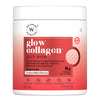 Glow Korean Marine Collagen Peptides with Liposomal Glutathione & Vitamin C | Tropical Bliss Flavour | 250g
₹1,939 – ₹7,196
Glow Korean Marine Collagen Peptides with Liposomal Glutathione & Vitamin C | Tropical Bliss Flavour | 250g
₹1,939 – ₹7,196
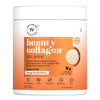 Beauty Korean Marine Collagen Peptides Mango Peach Flavour
₹1,939 – ₹7,196
Beauty Korean Marine Collagen Peptides Mango Peach Flavour
₹1,939 – ₹7,196
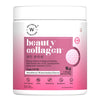 Beauty Collagen Strawberry Watermelon Flavour
₹1,939 – ₹7,196
Beauty Collagen Strawberry Watermelon Flavour
₹1,939 – ₹7,196
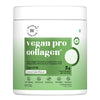 Vegan Pro Collagen Lemon Lime
₹1,745 – ₹3,418
Vegan Pro Collagen Lemon Lime
₹1,745 – ₹3,418
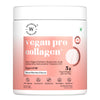 Vegan Pro Collagen Mixed Berries
₹1,745 – ₹3,418
Vegan Pro Collagen Mixed Berries
₹1,745 – ₹3,418