You’ve probably seen it everywhere.
Gym bags.
Supplement stacks.
That one friend who suddenly got stronger in a month.
And now you’re wondering:
Is creatine good for beginners? Or is it something you “graduate” to later?
Let’s clear that up first.
Creatine is one of the most researched, safest, and most effective supplements you can start with, even if you’re completely new to fitness.
No complexity.
No guesswork.
Just better performance, if you use it right.
What Is Creatine (and Why Beginners Actually Benefit Most)
At its core, creatine is a compound your body already makes.
It’s stored in your muscles and used to produce quick bursts of energy, the kind you need for:
-
Lifting weights
-
Sprinting
-
High-intensity workouts
More strength.
Better performance.
Faster recovery.
And here’s the key; beginners often see the biggest improvements because their baseline is lower.
Creatine Benefits (Why It’s Worth Starting Early)
The creatine benefits aren’t theoretical. They’re consistent and measurable.
Here’s what most beginners notice:
1. Increased strength
You can lift slightly heavier or push out extra reps. Over time, that compounds into real progress.
2. Faster muscle growth
More performance → more stimulus → better muscle development.
3. Improved recovery
Less fatigue between sets and workouts.
4. Better workout consistency
You don’t burn out as quickly, which means better training sessions overall.
5. Cognitive support (emerging research)
Creatine also plays a role in brain energy metabolism — an underrated benefit.
Creatine Monohydrate vs Creatine HCL: What Should Beginners Choose?
-
Most researched form
-
Proven effectiveness
-
Cost-effective
-
Slight chance of mild bloating in some people
-
More soluble (mixes easily)
-
May feel lighter on digestion
-
Typically, more expensive
-
Less long-term research compared to monohydrate
For a beginner guide to creatine, the answer is simple:
Start with creatine monohydrate.
It works.
It’s tested.
It’s reliable.
Creatine Dosage for Beginners (Keep It Simple)
You don’t need complicated loading phases.
A simple, effective approach:
-
3 to 5 grams daily
-
Taken consistently
That’s it.
No cycling required.
No breaks needed.
The goal is saturation, building up creatine stores in your muscles over time.
Best Time to Take Creatine for Beginners
This is one of the most common questions:
What’s the best time to take creatine for beginners?
Here’s the honest answer:
Timing matters less than consistency.
But if you want to optimise:
-
Post-workout: Ideal, as muscles are more receptive
-
Any consistent time daily: Works just as well long-term
What matters most is:
You take it every day.
That’s how you see results.
How to Take Creatine (Without Reducing Its Effectiveness)
Small habits make a difference.
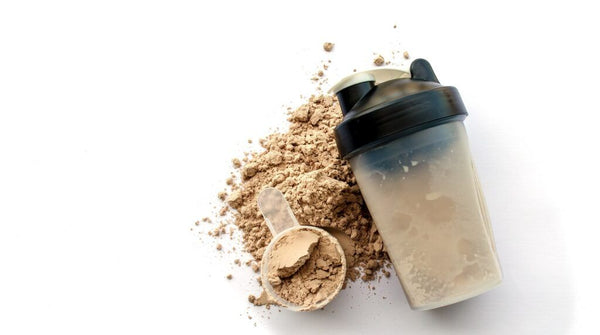
Mix it with water or a simple drink
No need for complex shakes.
Stay hydrated
Creatine pulls water into muscle cells — hydration supports this process.
Pair with a balanced diet
Creatine works best when your overall nutrition supports muscle growth.
Is Creatine Safe for Beginners?
Short answer: Yes.
Creatine is one of the most extensively studied supplements available.
Research consistently shows:
-
No harm to healthy kidneys in recommended doses
-
No dependency
-
No need for cycling
The only “side effects” some beginners notice:
-
Slight water retention (often temporary)
-
Mild bloating (less common with proper dosing)
For most people, it’s extremely well tolerated.
Common Beginner Mistakes (That Reduce Results)
If creatine “doesn’t work,” it’s usually due to one of these:
-
Taking it inconsistently
-
Expecting instant results (it builds over time)
-
Under-dosing
-
Not training hard enough
-
Ignoring overall diet
Creatine is not magic.
It’s a performance multiplier.
So, What’s the Best Creatine for Beginners?
If you want a simple answer:
-
Go for a high-quality creatine monohydrate
-
Ensure it’s well-tested and pure
-
Take it daily
That’s your foundation.
The Bottom Line
Creatine for beginners is not advanced. It’s foundational.
It helps you:
-
Train better
-
Recover faster
-
Progress consistently
You don’t need a complicated stack.
You don’t need perfect timing.
You just need:
Consistency.
Correct dosage.
A solid training routine.
Because with creatine, the results aren’t dramatic overnight.
They’re something better.
They compound.
FAQs
1. Is creatine good for beginners?
Yes, creatine for beginners is both safe and effective. It’s one of the most researched supplements and helps improve strength, workout performance, and muscle recovery, making it an ideal starting supplement.
2. What is the best creatine for beginners?
The best creatine for beginners is typically creatine monohydrate. It is well-studied, effective, affordable, and proven to support strength and muscle growth. Alternatives like creatine HCL may suit those with digestion concerns.
3. What is the correct creatine dosage for beginners?
For most beginners, a daily dose of 3–5 grams of creatine powder is sufficient. Consistency matters more than high doses, and there is no need for a loading phase in most cases.
4. What is the best time to take creatine for beginners?
The best time to take creatine for beginners is typically post-workout, as muscles are more receptive to nutrient uptake. However, taking it at the same time daily is more important than exact timing.
5. Are there any side effects of creatine for beginners?
Creatine is generally safe when taken as recommended. Some beginners may experience mild bloating or water retention initially, but serious side effects are rare with proper creatine dosage and timing.