Let's be honest, most of us grew up thinking eggs were basically a superfood. And they kind of are. But if you're relying on just 2 eggs a day to hit your protein goals, you might be leaving some serious gains and health benefits on the table.
Let's break it down, no fluff.
How Much Protein Is Actually in 2 Eggs?

Two large eggs give you roughly 12 to 14 grams of protein. That sounds decent until you realise most adults need anywhere between 50 to 120+ grams of protein per day, depending on your age, weight, and activity level.
So yes, 2 eggs are a great start, not a solution.
What's the RDA for Protein? (And Why It's Different for Everyone)
The Recommended Dietary Allowance (RDA) for protein is 0.8 grams per kilogram of body weight for sedentary adults. But that is truly the bare minimum. It is enough to prevent deficiency, not enough to thrive.
Here is a more practical breakdown:
By Gender and Age:
-
Adult women (19 to 50 years): 46 to 60 g per day
-
Adult men (19 to 50 years): 56 to 75 g per day
-
Women over 50: 60 to 70 g per day (higher need to protect muscle mass)
-
Men over 50: 65 to 80 g per day
-
Pregnant or breastfeeding women: 70 to 100 g per day
-
Teenagers (14 to 18 years): 46 to 59 g per day
-
Active adults and gym-goers: 1.2 to 2.0 g per kg body weight
If you weigh 65 kg and hit the gym three times a week, you are looking at roughly 78 to 130 grams of protein daily. Two eggs simply will not meet that requirement.

A High-Protein Diet Chart for the Day

Here is what a balanced, protein-rich day could look like:
|
Meal |
Food |
Approx. Protein |
|
Breakfast |
2 whole eggs + 1 cup Greek yogurt + handful of almonds |
~28 g |
|
Mid-Morning |
Whey protein shake or plant protein smoothie |
~20 to 25 g |
|
Lunch |
Grilled chicken or paneer + dal + brown rice + salad |
~35 g |
|
Evening Snack |
Roasted chana or cottage cheese with seeds |
~15 g |
|
Dinner |
Salmon or tofu + sautéed vegetables + quinoa |
~30 g |
Easy Ways to Actually Meet Your Protein Needs
Getting enough protein does not have to mean eating plain chicken breast at every meal. Here is what works:
Animal-based sources:

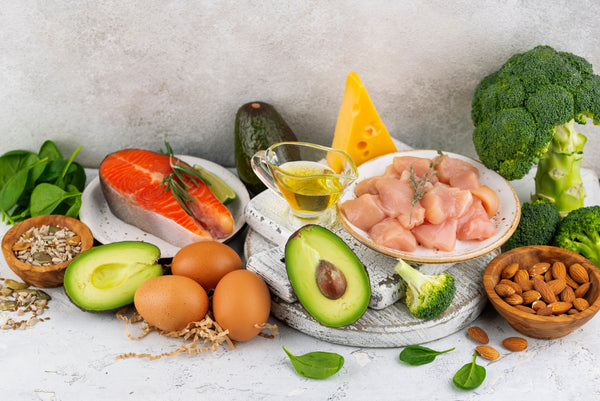
Eggs, chicken, turkey, fish, Greek yogurt, cottage cheese (paneer), and dairy milk are excellent choices. They are complete proteins, meaning they contain all 9 essential amino acids.
Plant-based sources:

Lentils, chickpeas, black beans, tofu, tempeh, edamame, quinoa, and hemp seeds are powerful options. While most plant proteins are incomplete on their own, combining them, such as rice and dal, covers all essential amino acids effectively.
Going vegan or cutting back on meat? A quality vegan plant protein supplement can genuinely bridge the gap. Look for blends that combine pea protein, brown rice protein, and seeds for a complete amino acid profile without digestive discomfort.
Where Smart Supplementation Fits In
Food comes first, always. But life happens. Rushed mornings, travel, and long work days can make consistency difficult. That is where a clean protein supplement earns its place.
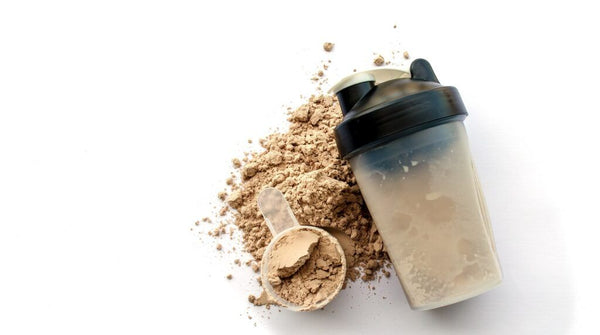
Whey protein is one of the most researched and bioavailable protein sources available. It digests quickly, supports muscle repair and recovery, and works well after workouts. If you are not lactose-sensitive, a good whey protein concentrate or isolate can easily add 20 to 25 grams of protein per serving.
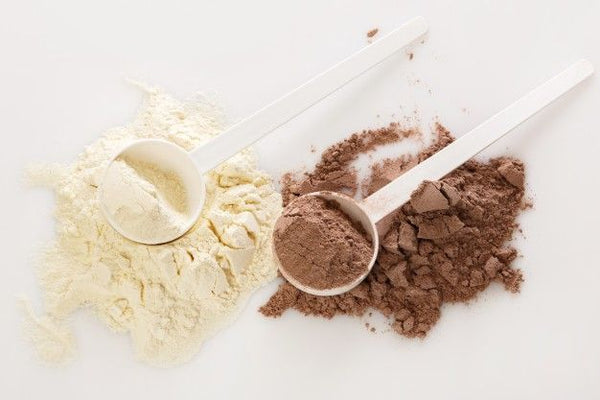
For those avoiding dairy, plant-based protein powders have improved significantly. Brands like Wellbeing Nutrition offer clean-label options. Their plant protein and whey protein are free from artificial sweeteners, unnecessary fillers, and heavy metals that lower-quality supplements may contain. If ingredient quality matters to you, choosing third-party tested, transparent formulations is essential.
The goal is not to replace meals. It is to make reaching your protein target simpler and more sustainable.
Practical Tips to Boost Your Daily Protein Without Overthinking It
-
Start your morning with protein, not carbohydrates alone. It helps regulate hunger hormones throughout the day
-
Add lentils or legumes to meals such as dal, soups, salads, and sauces
-
Snack smart by swapping biscuits for roasted chana, boiled eggs, or paneer cubes
-
Use protein shakes strategically when convenience is needed
-
Include protein in every meal, not just dinner
-
Stay well hydrated, especially with higher protein intake
-
Track intake for 3 days to identify real gaps in your diet
So, Is 2 Eggs a Day Enough?

Not for most people. Two eggs are nutritious, affordable, and versatile, but they typically provide only 10 to 20 percent of daily protein needs. Think of them as one reliable component of your diet, not the entire solution.
With thoughtful planning, balanced whole foods, and targeted supplementation when needed, meeting your protein requirements becomes practical and sustainable. The payoff shows up in stronger muscles, better recovery, improved energy, healthier skin, and long-term metabolic health.
Start small. Add one protein-rich food to each meal this week. Consistency makes the difference.
FAQs
1. How much protein is in 1 egg?
One large egg contains approximately 6 to 7 grams of protein, divided between the white (about 4 g) and the yolk (about 2 to 3 g). Eating the whole egg ensures you also receive fat-soluble vitamins and essential nutrients.
2. Is it okay to eat 2 eggs every day?
Yes, for most healthy adults, eating 2 eggs daily is safe and nutritious. Current evidence shows moderate egg consumption does not negatively impact heart health in healthy individuals. The limitation lies in relying on eggs alone to meet protein needs.
3. How many eggs would I need to eat to hit my full protein RDA?
A sedentary adult woman requiring around 50 g of protein would need approximately 7 to 8 eggs. A moderately active man requiring 75 g would need about 11 to 12 eggs. An athlete targeting 130 g or more would need nearly 20 eggs, which highlights why dietary variety is important.
4. Is egg white or whole egg better for protein?
Whole eggs provide more complete nutrition. While egg whites are rich in protein, the yolk contains healthy fats, vitamin D, vitamin B12, choline, and antioxidants.
5. Can vegetarians and vegans get enough protein without eggs?
Yes. Lentils, chickpeas, tofu, tempeh, quinoa, edamame, and plant protein supplements make adequate protein intake achievable. Variety and proper combinations are key.
6. When is the best time to eat protein?
Distribute protein intake across meals throughout the day. Most people utilise approximately 25 to 40 grams per meal more efficiently than consuming a large portion at once.
7. Does cooking eggs reduce their protein content?
Cooking slightly reduces protein quantity but significantly improves digestibility. Raw egg protein is about 51 percent digestible, while cooked egg protein can reach up to 91 percent digestibility.
8. Is whey protein better than eating whole eggs?
They serve different purposes. Whole eggs provide protein along with vitamins and minerals. Whey protein offers convenience and rapid absorption, particularly useful after exercise.
9. How do I know if I am not eating enough protein?
Common signs include persistent hunger, muscle weakness, slow recovery from exercise, brittle nails, hair thinning, frequent illness, and low energy levels.
10. Are plant protein supplements as effective as whey?
For most individuals, yes. High-quality blends combining pea and brown rice protein provide a complete amino acid profile and support sustained muscle protein synthesis.

Recommended Products
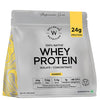 Whey Protein Isolate + Concentrate 24g | 1kg | 4B CFU Probiotics | Mango Flavoured
₹4,949 – ₹9,898
Whey Protein Isolate + Concentrate 24g | 1kg | 4B CFU Probiotics | Mango Flavoured
₹4,949 – ₹9,898
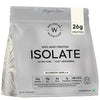 Whey Protein Isolate 26g | 1kg | 4B CFU Probiotics | Bourbon Vanilla
₹7,599 – ₹15,199
Whey Protein Isolate 26g | 1kg | 4B CFU Probiotics | Bourbon Vanilla
₹7,599 – ₹15,199
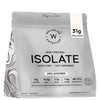 Whey Protein Isolate 31g | 1kg | 4B CFU Probiotics | Unflavoured
₹6,399 – ₹12,399
Whey Protein Isolate 31g | 1kg | 4B CFU Probiotics | Unflavoured
₹6,399 – ₹12,399
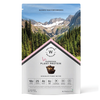 Her Superfood Plant Protein | Chocolate Peanut Butter
₹1,439 – ₹2,878
Her Superfood Plant Protein | Chocolate Peanut Butter
₹1,439 – ₹2,878
 Plant Protein 22g | 500g | 3B CFU Probiotics | Canadian Mixed Berry
₹1,439 – ₹2,878
Plant Protein 22g | 500g | 3B CFU Probiotics | Canadian Mixed Berry
₹1,439 – ₹2,878