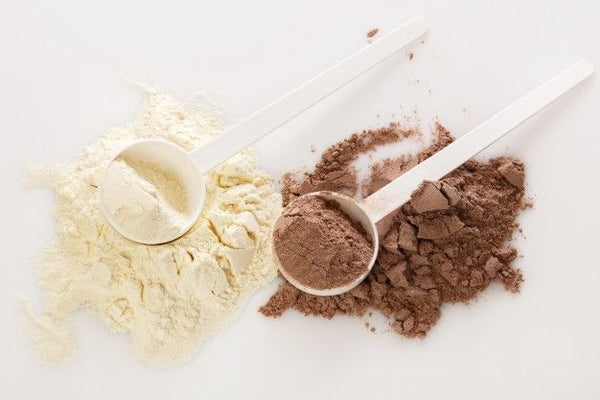
You didn’t overhaul your life.
You just stopped your shake.
And now something feels off.
Energy dips earlier.
Hunger shows up faster.
Workouts feel heavier than they should.
This is often what happens when you stop plant protein.
Quiet shifts. Real impact.
Your Body Notices Faster Than You Think
Protein isn’t stored like carbs or fat.
It’s used. Constantly.
For enzymes. Hormones. Repair.
So when intake drops, your body adjusts immediately.
Not dramatically. But consistently.
That’s where early protein deficiency symptoms begin.
Energy Doesn’t Crash. It Leaks

You don’t suddenly collapse.
You just stop feeling steady.
Protein slows digestion.
Helps keep blood sugar stable.
Remove it, and energy becomes unpredictable.
Up. Down. Then flat.
This is why you feel tired without protein.
And why protein and energy levels feel tightly connected.
Hunger Stops Playing Nice

Protein keeps you full.
Not by volume. By signaling.
It influences satiety hormones.
Without enough, those signals weaken.
You finish a meal.
And still feel like something’s missing.
That’s protein and hunger cravings creeping in.
Your Metabolism Gets Subtle, Not Slow

Nothing dramatic happens overnight.
But small things shift.
Protein has a high thermic effect.
Your body spends energy digesting it.
Lower protein, lower burn.
Over time, it adds up.
A classic low protein diet effects pattern.
And exactly why protein for metabolism matters.
Recovery Feels Incomplete

You didn’t suddenly lose strength.
You just don’t feel as fresh.
Protein drives repair.
Muscle. Tissue. Even daily wear and tear.
Without enough, recovery lags behind.
This is one of those overlooked effects of low protein diet.
Weight Gain Isn’t Random

You’re hungrier.
You snack more.
Your metabolic burn dips slightly.
Individually, small changes.
Together, a shift.
That’s how low protein diet weight gain builds quietly.
And why protein for weight management isn’t just a fitness concept.
Plant-Based Diets Need Precision
If you’re vegetarian, this matters more.
Plant proteins are diverse, but inconsistent.
A shake often acts like a safety net.
Remove it, and gaps can appear.
That’s where vegetarian protein deficiency becomes real.
How to Fix It and Start Seeing Results
Not complicated. Just a few smart tweaks.
-
Fix your protein intake by identifying and consistently hitting your daily target instead of guessing your how much protein per day
-
Choose a complete, high-quality amino acid profile to improve protein absorption plant based and avoid common plant protein mistakes
-
Time your intake better by using it post-workout, in the morning, or between meals to optimize protein timing for weight loss
-
Improve your overall diet by pairing protein with whole, balanced meals to unlock full plant protein benefits
-
Avoid undereating, because fueling your body properly is essential for effective protein for fat loss
-
Stay consistent with your routine, since that’s what makes plant protein for weight loss actually deliver results
-
Keep it simple with shakes, smoothies, or quick recipes as easy ways to increase protein intake without overcomplicating your day
What Your Body Is Actually Saying
This isn’t random fatigue.
Or “just one of those weeks.”
It’s feedback.
Low intake. Lower support.
The daily protein intake importance shows up fast when it’s missing.
Fix the gap.
Everything feels sharper again.
FAQs
1. What ingredients are used in Wellbeing Nutrition plant protein?
It uses pea protein isolate, quinoa, sprouted amaranth, pumpkin seed, and whole algae. This gives a complete amino acid profile for better muscle repair and recovery.
2. How much protein does one serving provide?
Around 22g of plant protein per scoop. Also includes BCAAs, fiber, and enzymes for better utilization.
3. Is Wellbeing Nutrition plant protein easy to digest?
Yes. It includes digestive enzymes, prebiotics, and probiotics. This supports smoother digestion and reduces bloating.
4. Does this plant protein support energy and metabolism?
Yes. It’s designed to support sustained energy, metabolism, and endurance. Useful for daily performance, not just workouts.
5. Can it help with weight management and cravings?
Yes. It supports satiety, reduces unnecessary snacking, and helps maintain lean muscle. All of which contribute to better weight control.

Recommended Products
 Superfood Plant Protein | British Banoffee Pie
₹1,439 – ₹2,878
Superfood Plant Protein | British Banoffee Pie
₹1,439 – ₹2,878
 Her Superfood Plant Protein | Chocolate Peanut Butter
₹1,439 – ₹2,878
Her Superfood Plant Protein | Chocolate Peanut Butter
₹1,439 – ₹2,878
 Plant Protein 22g | 500g | 3B CFU Probiotics | Belgian Dark Chocolate
₹1,439 – ₹2,878
Plant Protein 22g | 500g | 3B CFU Probiotics | Belgian Dark Chocolate
₹1,439 – ₹2,878
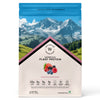 Plant Protein 22g | 500g | 3B CFU Probiotics | Canadian Mixed Berry
₹1,439 – ₹2,878
Plant Protein 22g | 500g | 3B CFU Probiotics | Canadian Mixed Berry
₹1,439 – ₹2,878
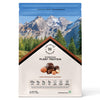 Plant Protein 22g | 500g | 3B CFU Probiotics | Dark Chocolate Hazelnut
₹1,439 – ₹2,878
Plant Protein 22g | 500g | 3B CFU Probiotics | Dark Chocolate Hazelnut
₹1,439 – ₹2,878
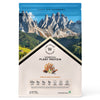 Plant Protein 22g | 500g | 3B CFU Probiotics | French Vanilla Caramel
₹1,439 – ₹2,878
Plant Protein 22g | 500g | 3B CFU Probiotics | French Vanilla Caramel
₹1,439 – ₹2,878
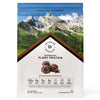 Plant Protein 22g | 907g | 3B CFU Probiotics | Belgian Dark Chocolate
₹2,719 – ₹5,438
Plant Protein 22g | 907g | 3B CFU Probiotics | Belgian Dark Chocolate
₹2,719 – ₹5,438
 Plant Protein 22g | 907g | 3B CFU Probiotics | French Vanilla Caramel
₹2,719 – ₹5,438
Plant Protein 22g | 907g | 3B CFU Probiotics | French Vanilla Caramel
₹2,719 – ₹5,438