Picture this. It is 11 am. You had breakfast two hours ago, maybe some toast, a bowl of poha, or the classic chai-and-biscuit situation that most Indian mornings run on. And yet, somehow, you are already hungry. Your energy is dipping. You are reaching for another cup of chai.
Sound familiar? Here is what is actually happening: your breakfast was almost entirely carbohydrates. Carbs give you a quick burst of energy, but they burn through fast, leaving you running on empty before lunchtime even arrives. What was missing? Protein.
And you are not alone. A national nutrition survey found that nearly 73% of Indians are protein deficient, not because of food unavailability, but because traditional Indian meals are built around rice, roti, and bread, with protein playing a small supporting role rather than a starring one.
Here is why that matters more than most people realise.
Protein is the building material of your body. Your muscles, skin, hair, hormones, enzymes, and immune cells are all made from it. Studies show that after the age of 30, adults lose 3 to 8% of muscle mass per decade without adequate protein and movement. That loss quietly drives weight gain, fatigue, weaker immunity, and a slower metabolism. The recommended daily intake is at least 0.8 grams per kilogram of body weight, and up to 1.6 g for active individuals. Most Indians are eating around half of that.
The good news? The fix does not require expensive supplements or imported superfoods. The best protein-rich foods in the world are already sitting in Indian kitchens. They just need to show up more often.
Here are seven to start with.
01. Eggs, the gold standard of protein

One large egg delivers 6 to 7 grams of complete protein with all nine essential amino acids your body cannot make on its own. Two eggs at breakfast get you 13 to 14 grams of high-quality protein before your day has even started, making eggs the easiest high-protein food for breakfast on this list.
They are also endlessly versatile in Indian cooking. Scrambled with onion and green chilli, made into a masala omelette, boiled into a roti wrap, or added to fried rice. Affordable, quick, and nutritionally exceptional. For women especially, eggs also deliver choline, a nutrient important for brain health that is widely missing from Indian diets.
02. Paneer, India's vegetarian protein MVP

A 100-gram serving of paneer provides 18 to 20 grams of protein, comparable to many meat sources. But what truly sets it apart is how naturally it fits into Indian cooking. Paneer bhurji, palak paneer, tikka, paratha filling, or simply cubed with chaat masala, it works at every meal, every season, every occasion.
For those managing weight, low-fat paneer delivers the same protein with fewer calories, making it one of the best protein-rich foods for weight loss that requires zero sacrifice in flavour. It is, without question, one of the finest vegetarian protein foods available anywhere in the world.
03. Dal (lentils), the underestimated everyday protein

A cup of cooked dal, whether masoor, moong, toor, or urad, delivers 17 to 18 grams of protein alongside fibre, iron, folate, and B vitamins. It is one of the most complete healthy protein foods on the planet.
Dal gets underestimated precisely because it is so ordinary. But eaten consistently, it is one of the most powerful tools for building a protein-rich diet on an Indian budget. A tip worth remembering: pair it with rice. The two complement each other's amino acid profiles, a combination Indian cuisine figured out centuries before nutrition science did.
04. Chicken breast, the high-protein benchmark

For non-vegetarians, chicken breast is the undisputed leader among foods with the highest protein content: 31 grams per 100 grams, with very low fat. Tandoori chicken, grilled in a wrap, light chicken curry, chicken soup, Indian cooking handles it beautifully. Baked or grilled beats deep-fried every time for those on a high-protein diet for fitness.
It is one of the most efficient protein foods for men focused on body composition, and one of the top recommendations for anyone targeting protein foods to build muscle.
05. Chickpeas (chana), the protein for every occasion

Boiled chickpeas offer around 15 grams of protein per cup alongside fibre and slow-digesting carbohydrates that keep energy steady for hours. Chole for lunch, chana chaat as a snack, roasted chana on the go, the versatility is remarkable.
Roasted chana in particular is one of the best protein-rich snacks for weight loss: affordable, portable, filling, and high in fibre. As a protein food for a daily diet in India, chana works for every dietary pattern, vegetarian, vegan, or budget-conscious.
06. Hung curd and Greek yoghurt, the upgrade hiding in plain sight

Regular dahi has 3 to 4 grams of protein per 100 g. Hung curd and Greek yoghurt, made simply by straining out the whey, increase to 8 to 10 grams per 100 g. Same ingredient. Far more powerful.
As a raita base, breakfast bowl, marinade, or eaten plain with seeds and honey, this swap adds protein without changing your habits in any meaningful way. For women, the combination of high protein and calcium makes it one of the most well-rounded protein foods, especially for bone health after 30. And thanks to its slow-releasing casein protein, it is one of the best protein-rich foods for energy that lasts well past the meal.
07. Pumpkin seeds, the protein bomb on your kitchen shelf

This one surprises most people. Pumpkin seeds (kaddu ke beej) contain 19 grams of protein per 100 grams, plus magnesium, zinc, iron, and omega-3 fatty acids.
A 30-gram handful sprinkled on oats, stirred into dal, or eaten as a snack delivers 5 to 6 grams of protein with zero cooking. They are one of the most underused yet highest-impact healthy protein foods in Indian kitchens and one of the best protein-rich foods for energy for that 3 pm slump. Buy a bag. Keep it on the counter. Add it to everything.
When Whole Food Is Not Enough: Protein Supplements
Even with the best intentions, many people, especially those with active lifestyles or busy schedules, genuinely struggle to hit their daily protein target through food alone. This is where a clean supplement becomes a practical tool, not a luxury.
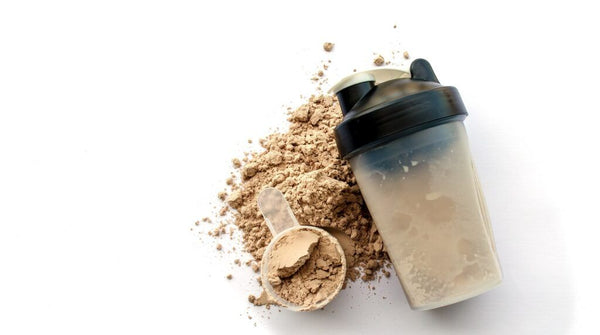
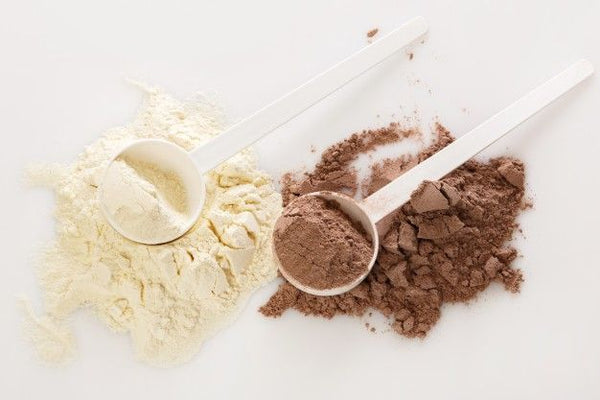
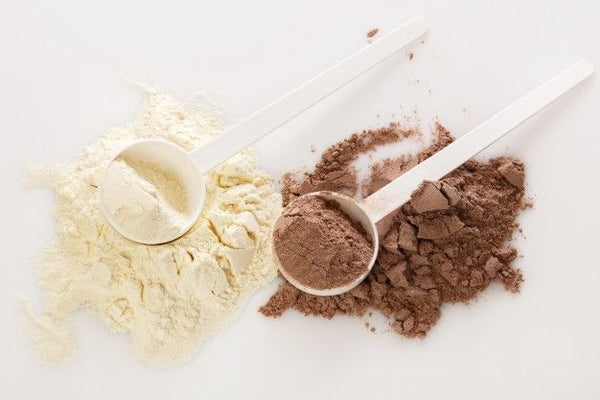
Whey protein is derived from milk, absorbed rapidly by the body, and delivers 20 to 25 grams of complete protein per serving. It is particularly effective post-workout when muscles need quick nutrition for recovery. For non-vegetarians and those who tolerate dairy well, a clean whey protein powder is one of the most efficient ways to close the daily protein gap.
Clean plant protein powder, made from pea protein, brown rice protein, or a blend of plant sources, delivers 18 to 22 grams per serving with no artificial additives or unnecessary sugar. It blends easily into smoothies, oats, or even pancake batter and is the best option for vegetarians, vegans, and anyone reducing dependence on animal-based nutrition.
Both work best as a bridge on the days when food falls short, not as replacements for real meals. A scoop in oat milk or water takes two minutes and keeps you on track.
A Simple Protein Meal Plan

VEGETARIAN PLAN
|
Meal |
What to eat |
Approx. protein |
|
Early morning |
Warm water, 8 to 10 soaked almonds, 1 tsp pumpkin seeds |
4 to 5g |
|
Breakfast |
Two moong dal chillas with mint chutney OR oats in soy milk with berries and pumpkin seeds. Green tea |
14 to 18g |
|
Mid-morning snack |
Hung curd with flaxseeds OR roasted chana |
8 to 10g |
|
Lunch |
Toor dal, two whole wheat rotis, brown rice, palak paneer, small hung curd |
20 to 25g |
|
Evening snack |
Smoothie with oat milk, banana, one scoop plant protein powder, one tbsp peanut butter |
22 to 25g |
|
Dinner |
Chana masala or rajma, two whole wheat rotis, fresh salad with pumpkin seeds |
15 to 18g |
|
Daily total |
|
70 to 85g |
NON-VEGETARIAN PLAN
|
Meal |
What to eat |
Approx. protein |
|
Early morning |
Warm water, 8 to 10 soaked almonds, 1 tsp pumpkin seeds |
4 to 5g |
|
Breakfast |
Two scrambled eggs with onion, tomato and green chilli, one slice multigrain toast. Green tea |
16 to 18g |
|
Mid-morning snack |
Greek yoghurt or hung curd with honey and chia seeds |
10 to 12g |
|
Lunch |
Grilled or tandoori chicken breast, two whole wheat rotis or brown rice, dal, fresh salad |
30 to 35g |
|
Evening snack |
Whey protein shake in water or milk OR boiled egg with roasted chana |
20 to 25g |
|
Dinner |
Chicken or egg curry with minimal oil, one cup dal, brown rice or two rotis |
28 to 32g |
|
Daily total |
|
95 to 120g |
Include a meaningful protein source at every meal, not just dinner. That single shift makes the biggest difference.
How To Make It Work Without Overhauling Your Life
You do not need new recipes. You need small upgrades to meals you already eat.
Swap regular dahi for hung curd. Add a boiled egg to your existing breakfast. Increase your dal portion. Sprinkle pumpkin seeds on anything. Replace afternoon biscuits with roasted chana. Blend a scoop of protein powder into your morning smoothie.
Each swap adds 5 to 10 grams of protein. Stack three or four of them across a day and you have added 25 to 35 grams without a single new recipe or cooking routine.
Consistency beats perfection every time. Eat more protein-rich foods across all three meals and your body will reward you with better energy, stronger hair and nails, improved immunity, and a metabolism that actually works for you.
Your body has been building itself from protein since the day you were born. Give it enough to keep going.
Protein requirements vary based on age, activity level, and health conditions. For personalised guidance, consult a registered dietitian.
FAQs
Q1. How much protein do I need per day?
At least 0.8 to 1 gram per kilogram of body weight for sedentary adults. Active individuals and anyone over 40 should aim for 1.2 to 1.6g per kg. For a 65kg person, that is 52 to 100 grams daily. Most Indians eat around half of that, which explains the fatigue, hair fall, and sluggish metabolism that many people simply accept as normal.
Q2. What are the best high-protein foods for vegetarians in India?
Paneer, dal, chickpeas, rajma, tofu, hung curd, edamame, and pumpkin seeds. Rotating these across meals can get most adults to 65 to 80 grams of daily protein without supplements. Different plant proteins cover different amino acids, so variety across the day matters more than any single food.
Q3. Can I hit my protein target on a purely Indian vegetarian diet?
Yes, but with intention. Increase dal portions, add paneer or chana to at least two meals daily, and include a high-protein snack like roasted chana or hung curd between meals. On days when food falls short, one scoop of clean plant protein powder closes the gap quickly. No meat required. Just a rebalanced plate.
Q4. Which Indian breakfast foods are highest in protein?
Moong dal chilla (12 to 14g per serving), paneer bhurji (15 to 18g), eggs in any form (6 to 7g each), besan cheela, and hung curd with seeds. Even one boiled egg or a spoon of peanut butter added to your existing breakfast makes a real difference. Avoid starting your day on poha, white bread, or plain upma alone, these are almost entirely carbohydrate.
Q5. Is dal enough protein for the whole day?
No. One cup of cooked dal gives around 17 to 18 grams, roughly a quarter of most adults' daily needs. Use dal as a strong daily base, then build on it with paneer, eggs, hung curd, chana, or seeds across other meals to hit your full target.
Q6. Do I need a protein supplement if I eat a balanced Indian diet?
Not always, but they are genuinely useful when food falls short. If you are active, have higher requirements, or struggle to hit your target through meals alone, a clean whey or plant protein powder is a practical bridge. Whole foods always come first, but a supplement is far better than consistently ending the day 30 to 40 grams short.
Q7. What is the best protein food for muscle building in India?
Chicken breast at 31 grams per 100g leads on density. For vegetarians, paneer and tofu are the strongest equivalents. But the real answer is total daily protein across all sources, no single food builds muscle. Consistent intake across meals, combined with training and sleep, is what actually works.
Q8. Do high-protein foods help with weight loss?
Yes, strongly. Protein is the most satiating macronutrient, it keeps you fuller longer than carbs or fat. Your body also burns 20 to 30% of protein's calories just digesting it. And because protein preserves muscle during weight loss, your metabolism stays active rather than slowing down. More protein, same calories, consistently leads to better fat loss and less hunger.
Q9. What are the best high-protein snacks for an Indian diet?
Roasted chana, boiled eggs, hung curd, pumpkin seeds, edamame, paneer with chaat masala, or a quick protein smoothie. All are high in protein, low in refined carbs, and filling enough to prevent overeating at the next meal. Biscuits, namkeen, and chips do the opposite, almost zero protein, back to hungry in under an hour.
Q10. How do I add more protein without cooking differently?
Stir pumpkin seeds into dal or rice. Swap dahi for hung curd. Add a boiled egg to whatever you are already eating. Use besan instead of maida in rotis. Toss roasted chana into salads. Add peanut butter to morning toast. Blend one scoop of protein powder into your smoothie. No new recipes needed, just upgrades to what you already make, adding up to 25 to 35 extra grams of protein daily.

Recommended Products
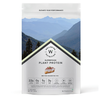 Superfood Plant Protein | British Banoffee Pie
₹1,439 – ₹2,878
Superfood Plant Protein | British Banoffee Pie
₹1,439 – ₹2,878
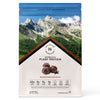 Plant Protein 22g | 500g | 3B CFU Probiotics | Belgian Dark Chocolate
₹1,439 – ₹2,878
Plant Protein 22g | 500g | 3B CFU Probiotics | Belgian Dark Chocolate
₹1,439 – ₹2,878
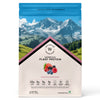 Plant Protein 22g | 500g | 3B CFU Probiotics | Canadian Mixed Berry
₹1,439 – ₹2,878
Plant Protein 22g | 500g | 3B CFU Probiotics | Canadian Mixed Berry
₹1,439 – ₹2,878
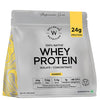 Whey Protein Isolate + Concentrate 24g | 1kg | 4B CFU Probiotics | Mango Flavoured
₹4,499 – ₹8,998
Whey Protein Isolate + Concentrate 24g | 1kg | 4B CFU Probiotics | Mango Flavoured
₹4,499 – ₹8,998
 Whey Protein Isolate + Concentrate 24g | 1kg | 4B CFU Probiotics | Swiss Chocolate
₹4,949 – ₹9,898
Whey Protein Isolate + Concentrate 24g | 1kg | 4B CFU Probiotics | Swiss Chocolate
₹4,949 – ₹9,898
 Whey Protein Isolate 26g | 1kg | 4B CFU Probiotics | Bourbon Vanilla
₹7,199 – ₹14,398
Whey Protein Isolate 26g | 1kg | 4B CFU Probiotics | Bourbon Vanilla
₹7,199 – ₹14,398
 Whey Protein Isolate 26g | 1kg | 4B CFU Probiotics | Dark Chocolate
₹7,199 – ₹13,949
Whey Protein Isolate 26g | 1kg | 4B CFU Probiotics | Dark Chocolate
₹7,199 – ₹13,949