You bought the tub, committed to the routine, and started showing up for your workouts. But somewhere between the shaker bottle and real results, confusion sets in. Are you taking it at the right time? Are you using enough? Or perhaps more importantly, are you using it in a way that actually supports your body’s physiology?
Because here’s the truth. Whey protein does not transform your body simply because you consume it. It works when it aligns with your biology, your lifestyle, and your daily protein needs. That’s where most people get it wrong.
This guide will walk you through how to take whey protein concentrate, not just as a supplement, but as a strategic tool for better recovery, improved body composition, and long-term health.
What Makes Whey Protein Concentrate So Effective
Before we get into the “how,” it’s worth understanding the “why.”
Whey concentrate is one of the most widely used protein powders, and for good reason. It is derived from milk during the cheese-making process and contains all nine essential amino acids, making it a complete protein source.
Unlike highly refined proteins, whey concentrate retains small amounts of fats and carbohydrates, along with bioactive compounds such as immunoglobulins and lactoferrin. These components contribute to several whey protein concentrate benefits, including improved immune support and better nutrient absorption (NIH).
When compared to whey protein isolate, concentrate is slightly less processed and often more nutritionally rounded. While isolate offers higher protein purity, concentrate delivers a more balanced profile that supports both performance and overall health.
How to Take Whey Protein Concentrate
If you want real results, you need to get the fundamentals right before experimenting with advanced strategies.
Start with the Right Quantity
The most effective serving size for most individuals falls between 20 to 30 grams per serving. This amount provides enough amino acids, particularly leucine, to stimulate muscle protein synthesis effectively (NIH).
Your exact requirement depends on your body weight, activity level, and overall diet. For example, someone weighing 65 kilograms with moderate physical activity may find one scoop sufficient per serving. However, instead of focusing only on per-serving intake, it is more important to look at your total daily protein consumption.
Choose the Right Mixing Medium
The best way to take whey protein concentrate also depends on how you mix it.
If your goal is rapid absorption, especially after a workout, mixing whey with water is ideal. Water allows for quicker digestion and faster delivery of amino acids to your muscles.
If you are looking for sustained energy or increased satiety, mixing your whey protein powder with milk can be beneficial. Milk adds additional protein, fats, and carbohydrates, slowing digestion and keeping you fuller for longer (NIH).
You can also blend whey into smoothies with fruits, oats, or seeds. This not only improves taste but also enhances nutrient density and digestive comfort.
One important note is to avoid using very hot liquids, as excessive heat can alter the protein structure and reduce its functional benefits (NIH).
Pair It with the Right Nutrients
Taking protein in isolation is effective, but pairing it correctly makes it significantly more impactful.
For example, combining whey with carbohydrates after a workout helps replenish glycogen stores and enhances recovery. Adding healthy fats and fiber can improve satiety and digestion, especially when using whey as a meal replacement (NIH).
This is where supplementation evolves into a more thoughtful nutritional strategy.
When to Take Whey Concentrate for Maximum Results

One of the most frequently asked questions is when to take whey concentrate, and the answer depends on your goals and daily routine.
Post-Workout Nutrition
The period after exercise is often referred to as the “anabolic window,” where your muscles are more responsive to nutrient intake. Consuming whey protein within 30 to 60 minutes after your workout can help initiate muscle repair, reduce breakdown, and accelerate recovery.
This is one of the most effective and widely recommended times to consume whey.
Morning Intake
After an overnight fast, your body is in a state where it needs nutrients to shift back into an anabolic, or muscle-building, mode.
Including whey protein powder in your morning routine can help stabilize energy levels, prevent muscle breakdown, and support metabolic activity throughout the day. This is especially useful if your breakfast is otherwise low in protein.
Between Meals
Maintaining consistent protein intake throughout the day is essential for muscle maintenance and growth.
Using whey between meals can help ensure a steady supply of amino acids, reduce hunger, and prevent unhealthy snacking. This approach is particularly helpful for individuals with busy schedules who may struggle to meet their protein requirements through whole foods alone.
Before Bed
Although whey is a fast-digesting protein, it can still be used before bed in certain situations. If your overall protein intake for the day is insufficient, or if you have had an early dinner, a small serving before sleep can contribute to overnight recovery.
However, slower-digesting proteins are generally preferred for nighttime use.
Best Way to Take Whey Protein Concentrate Based on Your Goals
Your approach should always reflect your primary goal.
For Muscle Gain
If your focus is building muscle, the best way to take whey protein concentrate is immediately after your workout, ideally paired with a carbohydrate source. This combination enhances recovery and supports muscle growth.
In addition, ensuring adequate total daily protein intake is critical for sustained progress.
For Fat Loss
When aiming for fat loss, whey protein can be used as a structured snack or partial meal replacement. Mixing it with water or low-fat milk helps control calorie intake while still providing high-quality protein.
Protein also plays a key role in preserving lean muscle mass during calorie deficits, making it an essential component of any fat loss plan.
For General Wellness
Even if you are not actively training, incorporating whey protein powder into your daily routine can help fill nutritional gaps. Many diets fall short in protein intake, and whey provides a convenient way to bridge that gap.
Whey Concentrate vs Whey Isolate
While both forms are effective, there are slight differences in how they fit into your routine.
Whey protein isolate is more refined, contains higher protein per serving, and is lower in lactose, making it suitable for those with sensitivities.
Whey concentrate, on the other hand, retains more natural nutrients and offers a more balanced nutritional profile. For most individuals without lactose intolerance, concentrate is a practical and effective choice.
The method of consumption remains largely the same, but your choice depends on your dietary needs and preferences.
Common Mistakes That Limit Results
Even with the right product, certain habits can prevent you from seeing results.
Relying on whey as a replacement for a balanced diet is one of the most common mistakes. While it is a powerful supplement, it should complement, not replace, whole foods.
Inconsistent usage is another issue. Protein intake needs to be regular to support muscle repair and growth effectively.
Overconsumption can also lead to digestive discomfort and unnecessary calorie intake, without providing additional benefits.
Final Takeaway
Understanding how to take whey protein concentrate is not about following rigid rules. It is about aligning your intake with your body’s needs, your activity levels, and your overall nutrition.
Focus on the fundamentals. Pay attention to timing, quantity, and consistency. Use whey as a tool to support your goals rather than relying on it as a shortcut.
When used correctly, it becomes more than just a scoop in a shaker. It becomes a reliable part of a well-structured approach to health, performance, and long-term wellness.
FAQs
1. How to take whey protein concentrate for best results?
The most effective way to take whey protein concentrate is to consume 20 to 30 grams per serving, ideally post-workout or when your daily protein intake is low. Pairing it with carbohydrates after exercise and maintaining consistent daily intake helps maximize muscle recovery and growth.
2. When to take whey concentrate for muscle gain and recovery?
The best time to take whey concentrate is within 30 to 60 minutes after a workout, when your muscles are more responsive to nutrients. You can also take it in the morning or between meals to maintain steady protein levels throughout the day.
3. What is the best way to take whey protein concentrate with water or milk?
The best way to take whey protein concentrate depends on your goal. Mixing it with water allows faster absorption, making it ideal post-workout, while mixing with milk provides sustained energy and increased satiety, which is useful for meal replacements or weight management.
4. How much whey protein concentrate should I take daily?
Most individuals benefit from 1 to 2 servings per day, providing around 20 to 30 grams per scoop. However, your total daily protein intake should align with your body weight, activity level, and fitness goals rather than relying only on supplements.
5. Can whey protein powder help with weight loss?
Yes, whey protein powder can support weight loss by increasing satiety, reducing cravings, and preserving lean muscle mass during a calorie deficit. Using it as a healthy snack or partial meal replacement can help manage overall calorie intake effectively.
6. What are the key whey protein concentrate benefits?
Whey protein concentrate benefits include improved muscle recovery, support for lean muscle growth, better satiety, and added immune support due to bioactive compounds. It also provides a more balanced nutritional profile compared to highly refined protein forms.
7. Is whey protein isolate better than whey concentrate?
Whey protein isolate is more refined, higher in protein content, and lower in lactose, making it suitable for those with sensitivities. However, whey concentrate retains more natural nutrients and is often a better choice for overall health and balanced nutrition, depending on individual needs.

Recommended Products
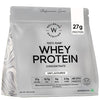 Whey Protein Concentrate 27g | 1kg | 4B CFU Probiotics | Unflavoured
₹4,499 – ₹8,998
Whey Protein Concentrate 27g | 1kg | 4B CFU Probiotics | Unflavoured
₹4,499 – ₹8,998
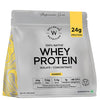 Whey Protein Isolate + Concentrate 24g | 1kg | 4B CFU Probiotics | Mango Flavoured
₹4,499 – ₹8,998
Whey Protein Isolate + Concentrate 24g | 1kg | 4B CFU Probiotics | Mango Flavoured
₹4,499 – ₹8,998
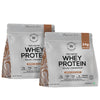 Whey Protein Isolate + Concentrate 24g | 1kg | 4B CFU Probiotics | Swiss Chocolate
₹4,949 – ₹9,898
Whey Protein Isolate + Concentrate 24g | 1kg | 4B CFU Probiotics | Swiss Chocolate
₹4,949 – ₹9,898
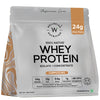 Whey Protein Isolate + Concentrate 24g | 1kg| 4B CFU Probiotics | Cappuccino
₹5,849 – ₹11,698
Whey Protein Isolate + Concentrate 24g | 1kg| 4B CFU Probiotics | Cappuccino
₹5,849 – ₹11,698