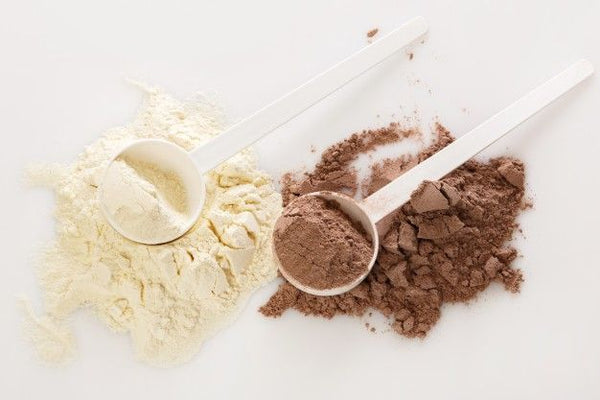
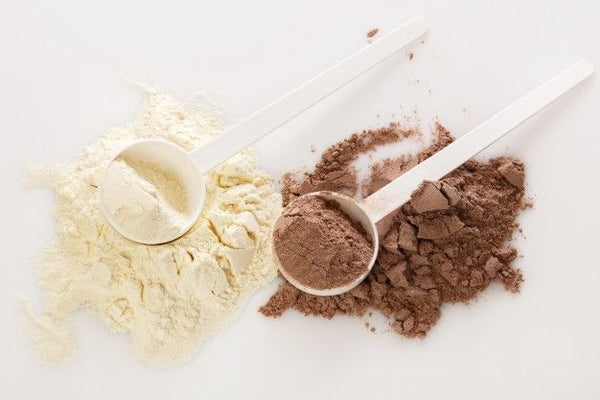
There was a time when whey protein powder lived strictly inside gym bags.
Now it sits beside coffee jars, oat milk cartons, and breakfast bowls. Quietly normalized.
But normalization often hides a deeper question.
Is this something you should take occasionally or every single day?
To answer that, we need to move beyond trends and into physiology.
Protein Is Continuous Biology

Your body does not think in cheat days or rest days. It operates in cycles. Constant, precise, and metabolically expensive.
Every 24 hours, proteins within your body are being broken down and rebuilt. Muscle fibers remodel. Enzymes are synthesized. Hormones are regulated. Structural tissues are maintained (NIH).
This dynamic process is governed by net protein balance.
-
Positive balance → tissue repair and growth
-
Negative balance → tissue breakdown
Dietary protein is the primary lever that shifts this balance. Not occasionally. Not weekly (NIH).
Daily.
Which reframes the question entirely. Daily protein intake is not optional. Only the source and structure are.
Where Protein Powders Fit Into This Equation

Whole foods remain the foundation of a high-quality diet.
But modern eating patterns are often protein-diluted.
-
Quick breakfasts built around refined carbs.
-
Snacks that prioritise convenience over composition.
-
Long gaps between meals followed by protein-heavy dinners.
This creates a mismatch between physiological need and dietary supply (NIH).
That is where best whey protein powder and plant based protein powder become relevant.
Not as replacements. But as targeted nutritional tools.
More precise. More predictable.
Especially when:
-
Appetite is inconsistent
-
Time is limited
-
Protein intake is unevenly distributed across the day
In this context, plant protein powder or whey protein powder is not supplementation. It is correction.
Is Daily Use of Whey or Plant Protein Safe?
For metabolically healthy individuals, daily intake of whey protein powder or plant protein powder is well-supported in clinical and sports nutrition literature.
The concern is often misplaced.
It is not frequency that creates risk. It is total load and individual context.
Key variables include:
-
Total daily protein intake
-
Kidney function and overall metabolic health
-
Digestive tolerance
-
Quality and composition of whey protein ingredients
In fact, in many clinical settings, protein supplementation is used daily to preserve lean mass and support recovery.
So the idea that protein powders should be used sparingly does not hold strong scientific ground.
How Much Protein Does Your Physiology Actually Demand?
The commonly cited RDA of 0.8 g/kg reflects a minimum threshold to prevent deficiency. Not an optimal intake for strength, recovery, or metabolic health (NIH).
More current evidence suggests:
-
1.2 to 1.6 g/kg for general health and metabolic resilience (NIH)
-
Up to 2.2 g/kg for active individuals, ageing populations, or muscle preservation (NIH)
So when asking, How much protein for a 70 kg man?
The answer is not a fixed number. It is a range. Roughly 84 g to 154 g per day.
Now consider real-world patterns.
Most people consume minimal protein in the morning and compensate later in the day. This skewed distribution limits muscle protein synthesis, which is optimally stimulated in repeated pulses across the day.
Using best whey protein or plant protein strategically helps correct distribution, not just intake.
Whey vs Plant Protein
The choice is not ideological. It is biochemical. And importantly, both can be equally effective when used correctly.
|
Aspect |
Whey Protein |
Plant Protein |
|
Digestion & Absorption |
Rapid digestion kinetics, leading to a quick rise in blood amino acids |
Moderately paced digestion, allowing a more sustained amino acid release |
|
Amino Acid Profile |
Naturally rich in essential amino acids, especially leucine, which is key for muscle protein synthesis |
Modern plant based protein powder blends are designed for completeness |
|
Muscle Protein Synthesis |
Strong and immediate stimulation of muscle protein synthesis, particularly post-workout |
Effective stimulation when consumed in adequate amounts or as a well-formulated plant protein powder blend |
|
Digestive Tolerance |
Best suited for individuals with good dairy tolerance |
Often better tolerated in those with lactose intolerance or sensitive digestion |
|
Use Case |
Ideal for rapid recovery, especially when exploring how should beginners take whey protein |
Ideal for daily use, gut-friendly routines, and those preferring dairy-free options |
|
Suitability |
Works well across most populations, including active individuals |
Particularly relevant for those considering alternatives to whey protein for women, where comfort and sustainability are key |
No matter which route you choose, quality defines outcome.
This is where formulations like Wellbeing Nutrition’s Whey Protein and Wellbeing Nutrition’s Plant Protein stand out as refined options within both categories.
Why Consider Wellbeing Nutrition’s Whey Protein?
-
Made with high-quality, clean whey protein ingredients
-
Rich in naturally occurring BCAAs and leucine for optimal muscle protein synthesis
-
Designed for easy digestion with minimal bloating
-
Free from unnecessary additives, focusing on purity and bioavailability
A strong fit if you’re looking for best whey protein powder that balances performance with digestive comfort.
Why Consider Wellbeing Nutrition’s Plant Protein?
-
Thoughtfully blended plant based protein sources for complete amino acid delivery
-
Gentle on digestion, ideal for daily use
-
Clean-label formulation with no heavy additives
-
Supports sustained energy and satiety, not just recovery
An excellent option if you prefer plant protein powder that delivers both functionality and long-term gut comfort.
The Real Risk of Chronic Overconsumption
Protein is beneficial. But it is not metabolically free.
Excess intake does not amplify benefits indefinitely.
If you are wondering Is 3 scoops of protein too much?
The answer depends on total daily intake and context.
Chronic excess may lead to:
-
Increased nitrogen load
-
Higher renal filtration demand (relevant in pre-existing kidney conditions)
-
Displacement of other essential nutrients
Which brings us to a more important question.
What Are the Signs of Too Much Protein?
The body rarely signals excess dramatically. It whispers.
-
Persistent bloating or digestive heaviness
-
Increased thirst due to higher urea production
-
Imbalanced diet patterns (low fiber, low micronutrients)
And the common myth: Do you pee out excess protein?
Not directly.
Excess amino acids are deaminated. Nitrogen is excreted as urea. The carbon skeleton is repurposed, often as energy.
So the cost is metabolic, not just excretory.
Understanding Side Effects Through a Scientific Lens
When people ask, What are the side effects of whey protein?
They are often experiencing formulation issues, not protein toxicity.
Potential triggers:
-
Lactose intolerance
-
Artificial sweeteners or emulsifiers
-
Low-quality whey protein ingredients
High-quality formulations significantly reduce these concerns.
Timing, Absorption, and Practical Use
Let’s refine common questions with physiology.
Can I drink whey protein in an empty stomach?
Yes.
In fact, fasted ingestion enhances rapid amino acid availability, which can be useful for morning muscle protein synthesis.
How to drink protein powder?
Absorption kinetics matter:
-
Water → faster gastric emptying
-
Milk → slower release, more satiety
-
Blends → sustained amino acid delivery
Can we take whey protein without a workout?
Yes.
Protein supports baseline turnover, not just exercise-induced repair.
Does protein affect your sleep?
Negatively, no.
In some cases, pre-sleep protein may improve overnight muscle protein synthesis without disrupting sleep architecture.
Are You Solving the Right Problem?
Before adding more protein, assess deficiency.
What are signs of protein deficiency?
-
Reduced lean muscle mass
-
Delayed recovery
-
Increased hunger and poor satiety
-
Hair thinning or brittle nails
Even seemingly adequate diets can fall short due to poor protein distribution.
And, Is 2 eggs a day enough protein?
It provides ~12 grams.
Physiologically insufficient for most adults.
The Smarter Way to Use Protein Daily
Daily protein intake should not feel like supplementation. It should feel like structure.
Instead of excess, aim for precision:
-
20 to 40 g protein per meal
-
Even distribution across 3 to 4 meals
-
Strategic use of whey protein powder or plant based protein powder to fill gaps
This approach optimizes muscle protein synthesis cycles throughout the day.
Final Perspective
Drinking protein every day is not a shortcut to fitness. It is an alignment with how human physiology actually functions.
Whether you choose best whey protein powder, plant protein, or a carefully formulated plant protein powder, the question is not can you take it daily.
The better question is:
Are you using it to support biology or compensate for imbalance?
Because when protein intake is structured, adequate, and intentional, daily use is not just safe.
It is physiologically coherent.
FAQs
1. Is it safe to drink whey protein powder every day?
Yes, for most healthy individuals, daily intake of whey protein powder is safe when total protein intake is aligned with your body’s needs. The key is balance, not avoidance.
2. What are the side effects of whey protein?
Side effects are usually linked to poor-quality whey protein ingredients or lactose intolerance, not protein itself. High-quality best whey protein powder is generally well tolerated.
3. Is 3 scoops of protein too much?
It depends on your total daily intake. If your diet already provides sufficient protein, 3 scoops may be excessive and unnecessary rather than harmful.
4. Can I drink whey protein in an empty stomach?
Yes, whey protein powder can be consumed on an empty stomach. It is rapidly absorbed and can support early-day muscle protein synthesis.
5. How should beginners take whey protein?
Beginners can start with 1 scoop of best whey protein post-workout or between meals. The goal is to complement dietary intake, not replace whole foods.
6. Can we take whey protein without a workout?
Yes. Whey protein for women and men alike supports overall protein needs, including muscle maintenance, metabolism, and recovery, even without exercise.
7. What are signs of protein deficiency?
Common signs include low energy, poor recovery, increased hunger, and muscle loss. In such cases, adding plant protein, plant based protein, or plant protein powder can help improve daily intake.

Recommended Products
 Her Superfood Plant Protein | Chocolate Peanut Butter
₹1,439 – ₹2,878
Her Superfood Plant Protein | Chocolate Peanut Butter
₹1,439 – ₹2,878
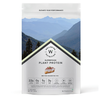 Superfood Plant Protein | British Banoffee Pie
₹1,439 – ₹2,878
Superfood Plant Protein | British Banoffee Pie
₹1,439 – ₹2,878
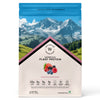 Plant Protein 22g | 500g | 3B CFU Probiotics | Canadian Mixed Berry
₹1,439 – ₹2,878
Plant Protein 22g | 500g | 3B CFU Probiotics | Canadian Mixed Berry
₹1,439 – ₹2,878
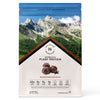 Plant Protein 22g | 500g | 3B CFU Probiotics | Belgian Dark Chocolate
₹1,439 – ₹2,878
Plant Protein 22g | 500g | 3B CFU Probiotics | Belgian Dark Chocolate
₹1,439 – ₹2,878
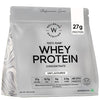 Whey Protein Concentrate 27g | 1kg | 4B CFU Probiotics | Unflavoured
₹3,999 – ₹7,998
Whey Protein Concentrate 27g | 1kg | 4B CFU Probiotics | Unflavoured
₹3,999 – ₹7,998
 Whey Protein Isolate + Concentrate 24g | 1kg | 4B CFU Probiotics | Mango Flavoured
₹4,399 – ₹8,798
Whey Protein Isolate + Concentrate 24g | 1kg | 4B CFU Probiotics | Mango Flavoured
₹4,399 – ₹8,798
 Whey Protein Isolate + Concentrate 24g | 1kg | 4B CFU Probiotics | Swiss Chocolate
₹5,199 – ₹10,398
Whey Protein Isolate + Concentrate 24g | 1kg | 4B CFU Probiotics | Swiss Chocolate
₹5,199 – ₹10,398