You buy your first tub of whey protein powder.
It sits on your shelf like a promise. Or a question.
Do you drink it before meals? After? With water? With milk?
Do you even need a workout or is this just expensive milk dust?
Here’s the truth most guides skip: Whey protein isn’t magic. It’s a tool.
And like any good tool, it works best when you know how to use it in real life.
Let’s fix that.
First, What Exactly Are You Taking?
Think of whey protein powder as concentrated nutrition.
It’s milk refined into its most efficient form. Fast to absorb. Easy to use. Packed with essential amino acids your body actually needs daily.
That’s why it’s often called the best whey protein powder for beginners. Not because it’s trendy. Because it’s practical.
But the real difference? Quality.
Check your whey protein ingredients:
-
Whey isolate or concentrate as the first ingredient
-
Minimal sugar
-
No unnecessary fillers
Because the best whey protein is the one your body can digest, absorb, and actually benefit from.
The Rule Most Beginners Miss

Here’s where things usually go wrong.
People treat whey like a shortcut. Skip meals. Drink shakes. Hope for results. That’s not how it works.
The smarter approach?
Take whey protein for beginners with or around meals, not instead of them.
Why this matters (NIH):
-
Whole foods give fiber, vitamins, minerals
-
Whey fills the protein gap
Think of it like this: Your meal is the foundation. Whey is the reinforcement.
Easy ways to do this:
-
Add a scoop to your breakfast smoothie
-
Drink it alongside a light meal
-
Pair it with fruits or oats as a snack
This makes digestion smoother and keeps your nutrition balanced.
How Should Beginners Take Whey Protein?

Let’s answer the core question: how should beginners take whey protein?
Simple system. No confusion.
Start with 1 scoop daily
20–25 grams of protein. That’s it.
Pick a timing that fits your life
-
After workouts
-
With breakfast
-
As a mid-meal snack
Mix it your way
Wondering how to drink protein powder?
-
Water for lighter digestion
-
Milk for taste and extra calories
No perfect timing. Just consistency.
Can You Take Whey Protein Without a Workout?

This is one of the most searched questions: can we take whey protein without a workout?
Yes. Completely. Because protein isn’t just for muscles.
Your body uses it for:
-
Skin repair: Healthier skin begins with efficient cellular repair, and protein provides the essential amino acids required to rebuild and maintain skin structure at a deeper level (NIH).
-
Hair growth: Stronger hair growth depends on a steady supply of structural proteins, as amino acids support keratin synthesis and improve strand strength and resilience (NIH).
-
Hormones: Balanced hormone function relies on adequate protein intake, since many hormones are synthesized from amino acids that regulate metabolism, mood, and recovery (NIH).
-
Enzymes: Optimal enzyme activity is driven by protein availability, as enzymes are protein-based molecules that catalyze and accelerate vital biochemical reactions in the body.
So even as Protein without workout, whey helps you meet daily needs.
Just don’t expect muscle gain without training. Nutrition and exercise are partners, not substitutes.
How Much Protein Do You Actually Need?
Let’s ground this in reality.
If you’re asking, how much protein for a 70 kg man?
-
Basic health: ~70 g/day (NIH)
-
Active lifestyle: 80–120 g/day (NIH)
Whey helps you reach this number. It doesn’t define it.
And this is where quality becomes non-negotiable. A formulation like Wellbeing Nutrition’s whey protein is designed with ultra-clean whey protein isolate, enhanced with digestive enzymes for smoother absorption, and free from unnecessary fillers, added sugars, and artificial additives. The result is a protein that feels light on the gut, mixes easily, and supports consistent daily use without the heaviness beginners often struggle with.
Because hitting your protein target is only half the equation, how efficiently your body digests and utilizes it is what truly drives results.
Whey Protein for Women

There’s a myth that needs retiring. Whey protein for women does NOT bulk you up.
It supports:
-
Lean strength by providing essential amino acids for muscle tone without excess bulk
-
Better metabolism by increasing satiety and supporting energy balance
-
Hair and skin health through collagen-supporting amino acids and tissue repair
-
Reduced cravings by stabilizing blood sugar and improving fullness
Same protein. Same function. Just smarter usage.
Should You Take Whey on an Empty Stomach?
Another common one: Can I drink whey protein in an empty stomach?
Yes, you can.
But for beginners, taking it with food often works better:
-
Easier digestion
-
Better satiety
-
More balanced nutrition
So while empty stomach is fine, with food is often smarter.
Signs You’re Not Getting Enough Protein
Your body is surprisingly honest.
If you notice:
-
Low energy
-
Hair fall
-
Slow recovery
-
Constant hunger
These are classic signs of protein deficiency.
If you’ve wondered what are signs of protein deficiency?, this is your cue to pay attention.
Quick Reality Checks Beginners Always Ask
Some questions come up again and again when you start using protein. Here are clear, science-backed answers to help you get it right from day one.
Is 2 eggs a day enough protein?
Not really. While two eggs provide around 12 grams of protein, this amount is relatively low compared to your overall daily requirement, especially if you’re physically active or aiming to improve body composition. Most individuals need significantly more protein spread across meals to properly support muscle maintenance, recovery, and metabolic function.
Does protein affect your sleep?
No, protein does not negatively impact sleep when consumed in appropriate amounts. In fact, having sufficient protein intake throughout the day can support overnight muscle repair, stabilize blood sugar levels, and contribute to more consistent energy balance, all of which may indirectly promote better sleep quality and recovery.
Final Thoughts
Whey protein for beginners works best when it fits seamlessly into your routine, not when it replaces the basics that already matter.
Focus on real, nutrient-dense meals first. Use whey protein to bridge the gaps where your diet falls short. Stay consistent enough for it to actually make a difference.
Over time, that daily scoop stops feeling like a fitness habit you have to remember and starts becoming a quiet, effortless part of how you support your body every day.
FAQs
1. How should beginners take whey protein?
Beginners should start with 1 scoop (20–25 g protein) per day and take it with or around meals for better digestion and balance. Consistency matters more than timing, so choose a routine you can follow daily.
2. Can we take whey protein without a workout?
Yes, whey protein can be taken even without exercise, as it helps meet daily protein needs for overall health, including skin, hair, and metabolic function. However, muscle gain requires both protein and training.
3. How to drink protein powder for best results?
You can mix whey protein with water for faster absorption or milk for better taste and added nutrition. It can also be blended into smoothies or paired with foods like oats or fruits.
4. Can I drink whey protein on an empty stomach?
Yes, whey protein is safe to consume on an empty stomach, but beginners may find it easier to digest and more satisfying when taken with meals or snacks.
5. What are the side effects of whey protein?
Whey protein is generally safe, but in some cases, it may cause bloating, mild digestive discomfort, or acne, especially if taken in excess or if the formulation is not clean.
6. What are the signs of too much protein?
Excess protein intake may lead to digestive discomfort, feeling overly full, or neglecting other important nutrients from whole foods. Balance is key for optimal results.
7. What are signs of protein deficiency?
Common signs include low energy, hair thinning, slow recovery, frequent hunger, and reduced muscle strength, indicating that your daily protein intake may be insufficient.

Recommended Products
 Whey Protein Concentrate 27g | 1kg | 4B CFU Probiotics | Unflavoured
₹3,999 – ₹7,998
Whey Protein Concentrate 27g | 1kg | 4B CFU Probiotics | Unflavoured
₹3,999 – ₹7,998
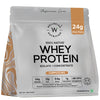 Whey Protein Isolate + Concentrate 24g | 1kg| 4B CFU Probiotics | Cappuccino
₹5,199 – ₹10,398
Whey Protein Isolate + Concentrate 24g | 1kg| 4B CFU Probiotics | Cappuccino
₹5,199 – ₹10,398
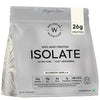 Whey Protein Isolate 26g | 1kg | 4B CFU Probiotics | Bourbon Vanilla
₹6,399 – ₹12,798
Whey Protein Isolate 26g | 1kg | 4B CFU Probiotics | Bourbon Vanilla
₹6,399 – ₹12,798
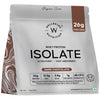 Whey Protein Isolate 26g | 1kg | 4B CFU Probiotics | Dark Chocolate
₹6,399 – ₹12,399
Whey Protein Isolate 26g | 1kg | 4B CFU Probiotics | Dark Chocolate
₹6,399 – ₹12,399
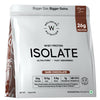 Whey Protein Isolate 26g | 2kg | 4B CFU Probiotics | Dark Chocolate
₹12,399 – ₹24,798
Whey Protein Isolate 26g | 2kg | 4B CFU Probiotics | Dark Chocolate
₹12,399 – ₹24,798
 Whey Protein Isolate 31g | 1kg | 4B CFU Probiotics | Unflavoured
₹6,399 – ₹12,399
Whey Protein Isolate 31g | 1kg | 4B CFU Probiotics | Unflavoured
₹6,399 – ₹12,399
 Whey Protein Isolate 31g | 2kg | 4B CFU Probiotics | Unflavoured
₹12,399 – ₹24,798
Whey Protein Isolate 31g | 2kg | 4B CFU Probiotics | Unflavoured
₹12,399 – ₹24,798