You wake up after eight hours of sleep and still feel like you got hit by a truck. Sound familiar? You're not imagining it, and you're definitely not alone.
Nearly 1 in 3 adults report feeling tired or exhausted most days of the week, and searches for "why do I feel tired all the time" have climbed steadily every year since 2020. We are, quite literally, a society running on empty.
Here's the uncomfortable part: fatigue isn't just about sleep anymore. It's become a modern epidemic tangled up with poor nutrition, screen-heavy sedentary days, chronic low-grade stress, and diets that look full on a plate but are starving at the cellular level. Fatigue has been flagged as one of the top reasons people visit a doctor, right up there with pain and cold symptoms.
So before we talk fixes, let's actually understand what's draining you.
The Real Reasons Behind the Exhaustion
If you're constantly asking yourself "why do I feel tired and sleepy all the time," the answer usually isn't one thing. It's a pile-up of small deficits that snowball.
Micronutrient gaps are bigger than we think.
Over 40% of adults are low in Vitamin D, and iron deficiency remains the single most common nutritional deficiency worldwide, affecting roughly 1.2 billion people. Iron carries oxygen to your cells. Without enough of it, your body is basically trying to run a car on fumes. Vitamin B12 deficiency is another silent culprit, especially for anyone eating a mostly plant based diet, since B12 is primarily found in animal products.
Blood sugar rollercoasters
That 3pm crash isn't random. Refined carbs and sugary snacks spike glucose fast, and insulin rushes in to bring it back down just as fast, leaving you foggy and sluggish an hour later. This cycle, repeated daily, is one of the most common and overlooked reasons for feeling tired all the time.

Chronic stress quietly drains your reserves.
Cortisol, your main stress hormone, is metabolically expensive to produce. Sustained stress depletes magnesium, B vitamins, and vitamin C at a faster rate, which is why high stress periods often come with a very specific kind of tiredness that sleep alone doesn't fix.
Poor gut health.
Nearly 70% of your immune system and a huge chunk of your serotonin production happens in the gut. An inflamed or imbalanced gut reduces nutrient absorption, meaning you could be eating well and still not getting the fuel you need.
Dehydration. Even mild dehydration, as little as 1-2% of body weight in fluid loss, has been shown in research to reduce alertness and increase perceived fatigue.
The Complete Fix: Diet First, Lifestyle Second
The good news is fatigue is one of the most fixable modern complaints when you approach it holistically rather than chasing one quick fix.

Foods That Actually Give You Energy
Forget the idea that energy giving food means a triple espresso. Real, sustained energy comes from foods that stabilize blood sugar and deliver key nutrients.
-
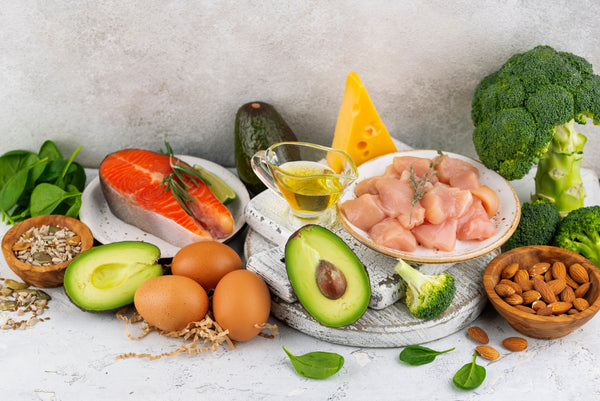
Eggs and Greek yogurt: High in protein and B12, ideal as an instant energy food for weakness in the morning.
-
Bananas with peanut butter: A genuinely best food for instant energy, combining fast and slow releasing carbs with healthy fat.
-
Leafy greens like spinach and kale: Irron rich energy rich foods that also bring magnesium into the mix.
-
Oats: Slow releasing carbs make this one of the most reliable foods that provide energy without the crash.
-
Lentils and chickpeas: Plant-based iron and protein, a food that gives energy and stamina throughout the day.
-
Fatty fish like salmon: Omega-3s support brain energy and reduce inflammation.
-
Nuts and seeds: Pumpkin seeds especially are loaded with magnesium and zinc, both linked to reduced fatigue.
-
Dark chocolate (70%+) and berries: Antioxidant rich, and yes, still counts among energy boosting foods.
Building a Day That Doesn't Drain You
A full day approach matters more than any single meal.
Morning:
Skip the sugary cereal. Start with protein and fat, like eggs or a smoothie with yogurt, banana, and a spoon of nut butter. This is also a good window for a B12 melt if you're vegetarian or vegan, since B12 absorbs best on a relatively empty stomach.
Midday:
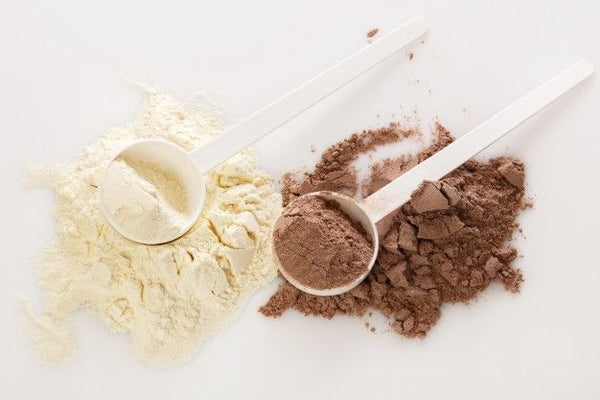
A protein forward lunch with complex carbs, think grilled chicken or paneer, quinoa or brown rice, and a big pile of vegetables. If you train or lift, this is where many people add a scoop of protein powder into a shake rather than relying on food alone to hit their protein target, especially useful if you're short on time.
Afternoon slump window:
Instead of coffee number three, try a handful of nuts, a piece of fruit, and water with a pinch of salt. Trace minerals like sodium, potassium, and magnesium are frequently overlooked, yet even mild imbalances show up as brain fog and heavy limbs.
Evening:
A lighter dinner rich in vegetables and lean protein, eaten at least two to three hours before bed, supports better sleep quality, which circles back to fixing tomorrow's tiredness too.
Lifestyle Moves That Multiply the Effect
Diet alone won't fix everything if the rest of your day is working against you.
-
Move within the first hour of waking, even a 10 minute walk. Morning light exposure helps regulate your circadian rhythm, which governs natural energy peaks and dips.
-
Strength train two to three times a week. This is where creatine supplement use has genuinely strong research behind it, not just for muscle, but for cellular energy production via ATP, and some newer studies are even exploring its role in cognitive fatigue.
-
Manage stress actively, not just mentally note it. Adaptogens like ashwagandha have decent clinical support for lowering cortisol and improving perceived stress and sleep quality, which indirectly improves daytime energy.
-
Consider a shilajit supplement if you're drawn to Ayurvedic approaches. It's rich in fulvic acid and trace minerals, and traditionally used for stamina and vitality, though it's worth choosing a purified, lab tested source.
-
Get key levels checked. If food alone isn't cutting it, an iron supplement, B complex capsules, or a solid multivitamin can help close gaps that diet realistically struggles to fill, especially for iron in menstruating women or B12 in older adults and vegans.
-
Prioritize consistent sleep timing/ sleep quality over sleep duration alone. Going to bed and waking at the same time daily has a stronger link to daytime alertness than simply chasing eight hours.
-
Stay ahead of dehydration rather than reacting to thirst, since thirst itself is a lagging signal.
Key Takeaways
-
Fatigue is rarely caused by one thing. It's usually a combination of nutrient gaps, blood sugar swings, stress, gut health, and hydration.
-
Iron and B12 deficiencies are two of the most common, most overlooked reasons for feeling tired all the time, especially for women and plant based eaters.
-
Energy boosting foods work best when they combine protein, fiber, and healthy fats rather than relying on sugar or caffeine alone.
-
Morning movement, consistent sleep timing, and stress management multiply the benefits of a good diet.
-
Targeted support like a multivitamin, B complex, iron supplement, or trace minerals can bridge gaps that food alone often can't close, but they work best alongside, not instead of, real food.
Tiredness isn't a personality trait or something to just push through with more coffee. It's your body sending a very specific signal, and once you start reading it through the lens of nutrition, hydration, movement, and stress, the fix stops feeling impossible. Small, consistent shifts, not overnight overhauls, are what actually rebuild real, lasting energy.
FAQs
1. Why do I feel tired all the time even after sleeping well?
Sleep quantity isn't the whole story. Nutrient deficiencies, blood sugar instability, dehydration, and stress can all cause fatigue independent of sleep hours.
2. What are the most common reasons for feeling tired all the time?
Iron and B12 deficiency, poor blood sugar regulation, chronic stress, dehydration, and gut health issues are the leading causes seen across research.
3. What foods to eat when tired for a quick, lasting boost?
Reach for combinations like banana with peanut butter, eggs, or oats with nuts, since these mix fast and slow energy sources.
4. Is there a genuine best food for instant energy?
Bananas are often cited as the best food for instant energy because of their natural sugar and potassium combination, digested quickly without a hard crash.
5. Can dehydration really make me tired?
Yes. Studies show even mild dehydration reduces alertness and increases perceived fatigue within a few hours.
6. Are energy drinks a good substitute for energy boosting foods?
No. They spike energy briefly through caffeine and sugar, then contribute to a harder crash later, unlike whole food sources that sustain energy.
7. Do I need a protein powder if I eat enough protein from food?
Not necessarily. It's a convenient way to hit protein targets when time or appetite is limited, but it isn't essential if food alone covers your needs.
8. Is ashwagandha actually backed by research for energy and stress?
Several clinical studies support ashwagandha for reducing cortisol and improving stress related fatigue, though results vary by individual and dosage. [NIH]
9. Who should consider an iron supplement or B complex capsules?
Anyone with confirmed deficiency through bloodwork, frequently menstruating women, vegetarians, vegans, and older adults, since these groups have higher documented deficiency rates.
10. Can trace minerals really affect energy levels?
Yes. Minerals like magnesium, potassium, and sodium are essential for nerve and muscle function, and even mild imbalances are linked to fatigue and brain fog.

Recommended Products
 Shilajit Gold
₹1,039 – ₹2,078
Shilajit Gold
₹1,039 – ₹2,078
 Shilajit Resin
₹879 – ₹1,758
Shilajit Resin
₹879 – ₹1,758
 Bioactive B Complex | Methylated B Vitamins with Biotin & Vitamin C | 60 Capsules
₹719 – ₹1,438
Bioactive B Complex | Methylated B Vitamins with Biotin & Vitamin C | 60 Capsules
₹719 – ₹1,438
 Liposomal Iron Complex |Pack of 60 Capsules
₹799 – ₹1,598
Liposomal Iron Complex |Pack of 60 Capsules
₹799 – ₹1,598
 Organic Vitamin C + Zinc
₹638 – ₹1,915
Organic Vitamin C + Zinc
₹638 – ₹1,915
 Vital Iron
₹649 – ₹1,298
Vital Iron
₹649 – ₹1,298
 Multi + Omega 50+ Slow
₹1,119 – ₹2,238
Multi + Omega 50+ Slow
₹1,119 – ₹2,238
 Multi + Omega for Her Slow
₹1,119 – ₹2,238
Multi + Omega for Her Slow
₹1,119 – ₹2,238
 Multi + Omega for Him Slow
₹1,119 – ₹2,238
Multi + Omega for Him Slow
₹1,119 – ₹2,238
 Plant Protein 22g | 500g | 3B CFU Probiotics | Dark Chocolate Hazelnut
₹1,439 – ₹2,878
Plant Protein 22g | 500g | 3B CFU Probiotics | Dark Chocolate Hazelnut
₹1,439 – ₹2,878
 Whey Protein Isolate + Concentrate 24g | 1kg| 4B CFU Probiotics | Cappuccino
₹5,849 – ₹11,698
Whey Protein Isolate + Concentrate 24g | 1kg| 4B CFU Probiotics | Cappuccino
₹5,849 – ₹11,698