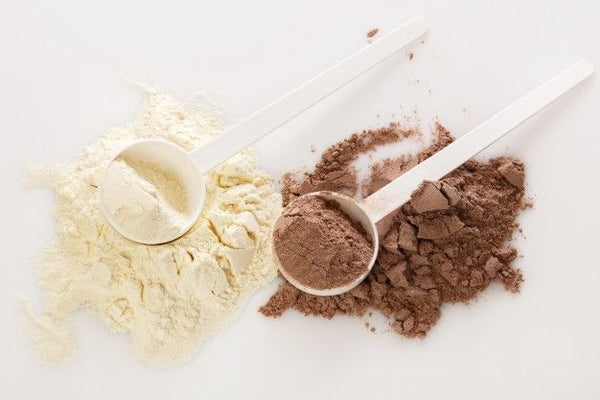
Protein has officially escaped the gym.
It is in breakfast bowls, pancakes, smoothies, coffee, desserts and even café menus. Your gym-going friend is tracking it. Your teenager is asking for protein pancakes. Your favourite café has a "high-protein" sandwich. And social media seems to have a new protein recipe every other day.
The good part? We are finally paying attention to protein.
The slightly confusing part? With whey protein, protein blends, isolates, concentrates and plant-based options everywhere, choosing one can start feeling like you need a nutrition degree.
Here is the simpler way to look at it: the best whey protein is not necessarily the one with the fanciest label. It is the one that fits your goal, your digestion and your everyday diet.
First, what exactly is whey protein?
Whey is one of the two major protein fractions in milk. During cheese-making, whey separates from the casein-rich portion of milk and contains proteins that can then be filtered and processed into products such as whey protein concentrate and whey protein isolate.
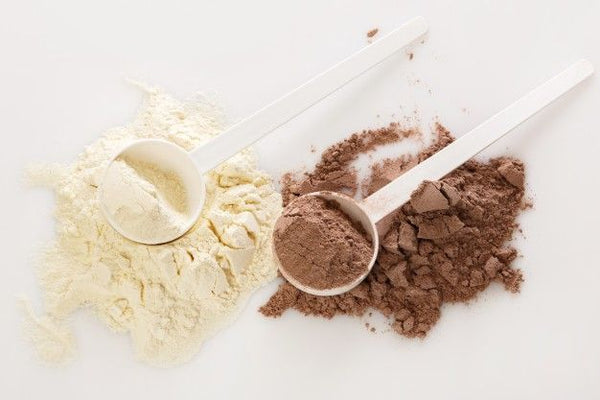
The three you will see most often are:

Neither is automatically "better." The difference is what you want from your protein powder.
So, how do you choose whey protein?
Start with your goal, not the tub.
1. Want to build muscle?
Look for a whey that gives you a meaningful protein serving and a strong essential amino acid profile, particularly leucine.
Whey is naturally rich in essential amino acids and has been consistently studied alongside resistance training for supporting gains in lean mass and strength.
Whey isolate can be a convenient choice when you want a protein-dense serving with relatively little fat and lactose.
And if your formula contains a well-studied advanced ingredient such as Velositol, that is another detail worth noticing. Research on an amylopectin and chromium complex has explored its ability to enhance the muscle protein synthesis response when added to whey, although this is an additional feature, not a substitute for adequate total protein and training. [NIH]
2. Trying to lose weight?
This is where people often assume "isolate = weight loss."
Not quite.
Whey protein does not cause weight loss by itself. But when you are trying to manage calories while maintaining adequate protein, a protein-dense whey isolate with relatively little carbohydrate and fat can make it easier to get protein without adding many extra calories.
Protein supplements alongside resistance training has been associated with improvements in lean mass and body composition.
So, if you are wondering how to choose whey protein for weight loss, look at the whole nutrition panel, not just the word "isolate."
Check:
Protein per serving → calories → added sugar → fat → carbohydrates → serving size.
That tells you much more than the front of the pack.
3. Want a balanced everyday protein?
You do not necessarily need the most filtered protein available.
A whey protein concentrate or an isolate + concentrate blend can work well when you simply want an easy way to increase your daily protein intake.
This can be especially useful for people who eat reasonably well but consistently fall short of their protein target.
Think of it as convenience, not a shortcut.
4. Need protein plus more calories?
If you are trying to increase overall calorie intake, perhaps because you have higher energy needs or are deliberately trying to gain weight, a concentrate can make sense.
It naturally retains more of the non-protein components of whey than an isolate, so the finished product may contain more lactose, fat and carbohydrates.
That does not make it inferior. It simply gives you a different nutritional profile.
What if whey does not agree with you?
This is an important one.
If milk or lactose tends to leave you feeling bloated, gassy or uncomfortable, whey concentrate may not be your most comfortable choice because it generally contains more lactose than isolate.
A whey protein isolate can be easier to tolerate because much of the lactose is removed during processing.
But if dairy itself does not suit you, do not force it just because everyone at the gym drinks whey.
A good vegan plant protein blend can be an alternative. Research has shown that appropriately formulated plant protein blends can stimulate post-exercise muscle protein synthesis comparably to whey in resistance-trained adults. [NIH]
Fermented yeast protein is another emerging option. Recent human research has also explored yeast protein as a protein source supporting muscle and physical function. [NIH]
Before the supplement, fix the plate
Here is something worth remembering: protein powder is a supplement, not a meal replacement.
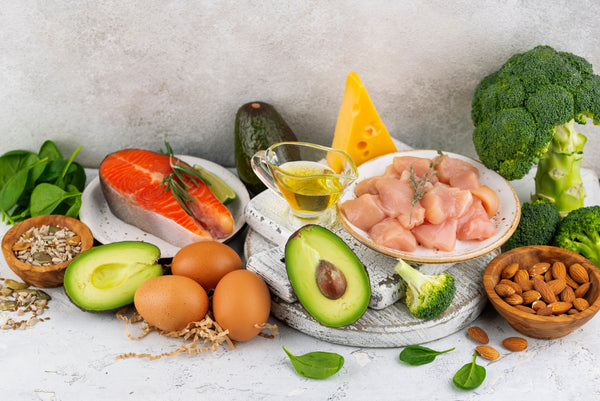
Your first priority should still be protein-rich food.

You do not need to turn every meal into a protein recipe. Just make sure each main meal has a recognisable protein source.
Then use a shake when it genuinely makes life easier.
What should you look for on a whey protein label?
This is where how to choose whey protein powder becomes less about marketing and more about reading the tub.
Look for:
A meaningful protein-to-serving ratio: You want to know how much of your scoop is actually protein.
A clean ingredient list: Fewer unnecessary fillers, excessive sweeteners and added sugars can make the formula easier to fit into your diet.
A transparent protein source: Whey is milk-derived, and the processing method should be clearly stated.
Good amino acid quality: Whey naturally provides essential amino acids, including leucine, which is relevant to muscle protein synthesis.
Quality and testing: Third-party testing or credible certification can add another layer of confidence around ingredient identity and contaminants.
Digestibility: If you regularly feel uncomfortable after your shake, the "best" protein on paper is not the best protein for you.
And one important myth to clear up: whey being a byproduct of cheese-making does not make it an inferior protein. Whey is a valuable milk protein fraction that is recovered and further processed into concentrates and isolates.
So, which whey should you actually choose?
Keep it simple.
For a lean, protein-dense option: Whey isolate.
For everyday, balanced protein: Whey concentrate or an isolate + concentrate blend.
For higher calorie needs: Whey concentrate or a protein formula that intentionally provides additional carbohydrates and fats.
For lactose sensitivity: Whey isolate may be more comfortable than concentrate.
For dairy-free needs: A well-formulated plant protein blend or another suitable non-dairy protein.
And if you are choosing between two similar products, look beyond the protein number. Ingredient quality, digestion, testing, taste and whether you will actually use it consistently matter too.
Because ultimately, the best whey protein is the one that fits your goal, fits your diet and fits your life.
Key Takeaways
-
How to choose the best whey protein starts with your goal, not the most impressive-looking label.
-
Whey protein isolate is more protein-dense and lower in lactose and fat than concentrate.
-
Whey protein concentrate can be a practical everyday option and may suit people who want a more balanced nutritional profile.
-
If lactose is an issue, isolate or a dairy-free protein may be easier to tolerate.
-
Protein powder should supplement a protein-rich diet, not replace real meals.
FAQs
1. How to choose whey protein for weight loss?
Look for a protein-dense option with a sensible calorie count and minimal added sugar. Whey isolate can be convenient because it generally provides more protein with less fat and lactose.
2. How to choose whey protein for muscle gain?
Prioritise adequate protein per serving, a complete essential amino acid profile and enough leucine, alongside regular resistance training and sufficient total protein intake.
3. Is whey protein isolate better than concentrate?
Not universally. Isolate contains a higher proportion of protein and generally less lactose and fat, while concentrate can be a practical everyday option.
4. What is whey protein?
Whey protein is made from the protein-rich liquid fraction separated from milk during cheese-making and then filtered and processed.
5. Is whey protein good for weight loss?
Whey can help you meet your protein needs while managing calorie intake, but weight loss still depends on your overall diet, activity and energy balance.
6. Can I take whey protein every day?
For most healthy adults, whey can be used regularly as part of an overall balanced diet when it helps meet protein needs.
7. Is whey protein safe for lactose intolerance?
Whey isolate generally contains less lactose than concentrate and may be easier to tolerate. People with significant dairy intolerance may prefer a non-dairy protein.
8. When should I take whey protein?
There is no single mandatory timing. It can be useful after exercise or whenever it helps you conveniently meet your daily protein needs. Research supports protein intake around resistance training for muscle-related outcomes.
9. Can whey protein replace a meal?
It is better viewed as a supplement to your diet rather than a replacement for balanced meals containing protein, carbohydrates, fats, fibre and micronutrients.
10. What is the difference between whey isolate and whey concentrate?
The main difference is processing. Isolate undergoes further filtration to increase protein concentration and reduce components such as lactose and fat, while concentrate retains more of these milk components.

Recommended Products
 Whey Protein Concentrate 27g | 1kg | 4B CFU Probiotics | Unflavoured
₹4,749 – ₹9,498
Whey Protein Concentrate 27g | 1kg | 4B CFU Probiotics | Unflavoured
₹4,749 – ₹9,498
 Whey Protein Isolate + Concentrate 24g | 1kg | 4B CFU Probiotics | Kesar Pista Badam
₹6,174 – ₹12,348
Whey Protein Isolate + Concentrate 24g | 1kg | 4B CFU Probiotics | Kesar Pista Badam
₹6,174 – ₹12,348
 Whey Protein Isolate + Concentrate 24g | 1kg | 4B CFU Probiotics | Mango Flavoured
₹6,174 – ₹12,348
Whey Protein Isolate + Concentrate 24g | 1kg | 4B CFU Probiotics | Mango Flavoured
₹6,174 – ₹12,348
 Whey Protein Isolate + Concentrate 24g | 1kg | 4B CFU Probiotics | Swiss Chocolate
₹6,174 – ₹12,348
Whey Protein Isolate + Concentrate 24g | 1kg | 4B CFU Probiotics | Swiss Chocolate
₹6,174 – ₹12,348
 Whey Protein Isolate + Concentrate 24g | 1kg| 4B CFU Probiotics | Cappuccino
₹6,174 – ₹12,348
Whey Protein Isolate + Concentrate 24g | 1kg| 4B CFU Probiotics | Cappuccino
₹6,174 – ₹12,348
 Whey Protein Isolate 26g | 1kg | 4B CFU Probiotics | Bourbon Vanilla
₹7,599 – ₹15,199
Whey Protein Isolate 26g | 1kg | 4B CFU Probiotics | Bourbon Vanilla
₹7,599 – ₹15,199
 Whey Protein Isolate 26g | 2kg | 4B CFU Probiotics | Dark Chocolate
₹14,724 – ₹29,448
Whey Protein Isolate 26g | 2kg | 4B CFU Probiotics | Dark Chocolate
₹14,724 – ₹29,448
 Whey Protein Isolate 31g | 1kg | 4B CFU Probiotics | Unflavoured
₹7,599 – ₹14,724
Whey Protein Isolate 31g | 1kg | 4B CFU Probiotics | Unflavoured
₹7,599 – ₹14,724