Building muscle is not just about how many hours you spend at the gym. What you eat, particularly how much protein you consume, plays an equally important role.
And if you've ever tried tracking your protein intake, you've probably come across the 100 g rule. It is one of the most common daily protein goals among fitness enthusiasts. But is 100 g of protein actually enough to build muscle, or is it simply a number that sounds good?
The answer depends on your body weight, activity levels and training goals. Let's break down the science and look at how you can reach your daily protein target without making every meal feel like a nutrition calculation.
First, why does your body need protein to build muscle?
Think of protein as the raw material your body uses to build and repair muscle tissue.
Protein is made up of smaller building blocks called amino acids. Of the 20 standard amino acids, nine are essential, meaning your body cannot produce them in sufficient quantities and must obtain them through food.
These nine essential amino acids (EAAs) are particularly important for muscle protein synthesis, the process through which your body builds new muscle proteins.
One amino acid worth knowing about is leucine. It acts as an important signalling molecule that helps activate the muscle protein synthesis pathway.
However, leucine alone cannot build muscle. Your body needs all nine essential amino acids to support the process.
When you combine adequate protein intake with resistance training, you provide your muscles with both the stimulus and the building materials needed for growth.
How much protein do you actually need every day?
Your protein requirements depend on how active you are and what you're trying to achieve.
Here is a general guide:
|
Activity level |
Daily protein requirement |
|
Sedentary adults |
0.8 g/kg body weight |
|
Regularly active individuals |
1.0 to 1.4 g/kg |
|
Strength training and muscle building |
1.4 to 2.0 g/kg |
The general recommended dietary allowance (RDA) for healthy adults is 0.8 g/kg of body weight. However, people who regularly exercise and want to build muscle generally require more.
The International Society of Sports Nutrition recommends approximately 1.4 to 2.0 g/kg daily for most exercising individuals. [NIH]
Is 100g of protein enough to build muscle?
Let's put the numbers into perspective.
If you're consuming 100 g of protein daily, here's what that means at different body weights:
|
Body weight |
Protein intake per kg |
|
50 kg |
2.0 g/kg |
|
60 kg |
1.67 g/kg |
|
70 kg |
1.43 g/kg |
|
80 kg |
1.25 g/kg |
|
90 kg |
1.11 g/kg |
As you can see, 100 g may be sufficient for someone weighing 50 to 70 kg, depending on their training requirements. However, someone weighing 80 or 90 kg may need more to reach the recommended muscle-building range.
Here's a simple formula to calculate your daily protein requirement:

This gives you a more meaningful target than following a fixed 100 g rule.
How to get 100g of protein a day through everyday food
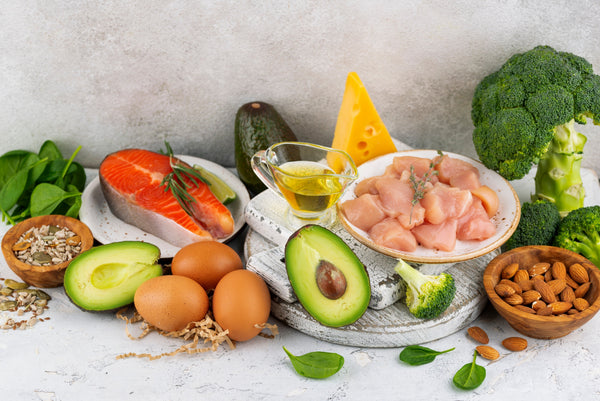
Meeting your protein requirements does not mean eating chicken or drinking protein shakes all day. A combination of everyday foods can help you get there.
Here are some vegetarian and non-vegetarian options:
Vegetarian protein sources:
-
200 ml milk: approximately 6 to 7 g
-
100 g paneer: approximately 18 to 20 g
-
100 g tofu: approximately 10 to 15 g
-
200 g Greek yoghurt: approximately 15 to 20 g
-
1 cup cooked dal: approximately 7 to 9 g
-
30 g roasted chana: approximately 6 g
Non-vegetarian protein sources:
-
2 eggs: approximately 12 to 13 g
-
100 g cooked chicken breast: approximately 30 to 31 g
-
100 g cooked fish: approximately 20 to 25 g
-
100 g cooked prawns: approximately 20 to 24 g
Values are approximate and vary with the food variety, preparation and serving size.
4 practical tips to reach your daily protein target
1. Distribute protein across your meals
Instead of trying to consume most of your protein at dinner, spread it throughout the day. A practical approach is to include approximately 20 to 40 g of protein per meal, depending on your body weight and daily target. [NIH]
2. Choose a variety of protein sources
Include dairy, eggs, legumes, soy, fish or poultry depending on your dietary preferences. Combining different sources helps provide a wider range of essential amino acids.
3. Don't overlook hydration and sleep
Hydration supports normal muscle function and physical performance, particularly during exercise. Similarly, adequate sleep supports recovery and the physiological processes involved in muscle adaptation.
Aim for approximately 7 to 9 hours of sleep each night as an adult, alongside adequate fluid intake throughout the day.
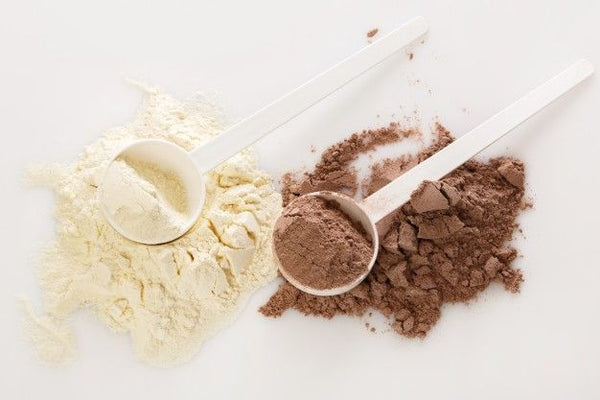
4. Fill nutritional gaps with protein powders
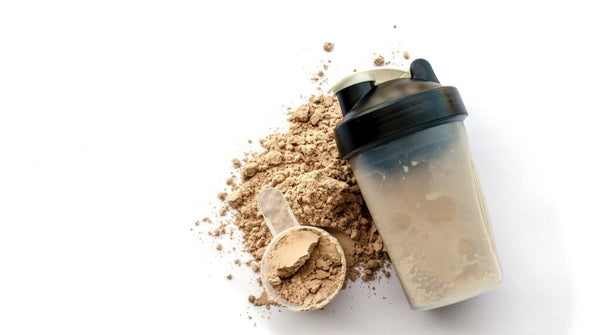
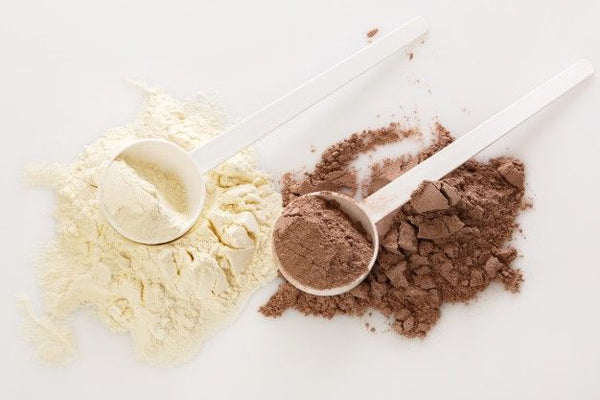
If your schedule makes it difficult to meet your protein target through meals, protein powders can offer a convenient way to supplement your intake.
Depending on your dietary preferences, consider:
-
Whey protein concentrate: A dairy-derived protein containing all nine essential amino acids, with some naturally occurring lactose.
-
Whey protein isolate: A more filtered form of whey, generally higher in protein concentration and lower in lactose than whey concentrate.
-
Plant protein: Suitable for vegan diets. Soy, pea and well-formulated plant protein blends can provide all nine essential amino acids.
-
Yeast protein: A non-dairy protein alternative. Well-formulated yeast protein isolates can provide all nine essential amino acids.
You may also come across specialised formulations containing Velositol®, an ingredient studied in combination with whey protein for its potential effects on muscle protein synthesis. However, it is not a substitute for adequate protein intake or resistance training.
100g of protein is a target, not a magic number
Building muscle requires more than hitting a daily protein number. Progressive resistance training, adequate calories, quality sleep and consistent nutrition all contribute to the process.
So, whether your target is 100 g or 140 g, calculate your requirements based on your body weight and training goals. Focus on consistency rather than chasing a number that may not be right for you.
FAQs
1. Is 100g of protein enough to build muscle?
It can be, depending on your body weight and training intensity. For someone weighing 60 kg, 100 g provides approximately 1.67 g/kg, which falls within the recommended muscle-building range.
2. Can I build muscle without protein powder?
Absolutely. You can meet your protein requirements through whole foods such as eggs, dairy, legumes, soy, fish and chicken. Supplements are optional.
3. Is it better to consume protein before or after a workout?
Both can be useful. Total daily protein intake is more important than a strict post-workout timing window. Consuming protein around your training session can support muscle recovery and synthesis.
4. How much protein should I eat per meal?
Approximately 20 to 40 g per meal is a practical range for many exercising adults. Your ideal amount depends on body weight, age and daily requirements.
5. Does eating more protein build muscle faster?
Not necessarily. Protein supports muscle growth, but consuming more than your requirements does not automatically result in greater muscle gains. Resistance training remains essential.
6. Can vegetarians build muscle?
Yes. Vegetarian diets can support muscle growth when they provide sufficient protein and all essential amino acids through varied food sources.
7. Which protein is best for muscle building?
Whey, soy, well-formulated plant protein and yeast protein can all contribute to muscle growth. Consider protein quality, essential amino acid content and your dietary preferences.
8. Do I need protein on rest days?
Yes. Muscle recovery and adaptation continue beyond your workout, so maintaining adequate daily protein intake on rest days is important.
9. Does protein help with muscle recovery?
Yes. Dietary protein supplies amino acids needed for muscle repair and adaptation following exercise, particularly resistance training.
10. Can I consume 100g of protein in one meal?
You can, but distributing protein across several meals is generally a more practical approach for supporting muscle protein synthesis throughout the day.
Key Takeaways
-
Protein supplies the nine essential amino acids needed to support muscle protein synthesis.
-
Most exercising adults benefit from approximately 1.4 to 2.0 g of protein per kg of body weight daily.
-
100 g of protein may be sufficient for some individuals, but requirements depend on body weight and training goals.
-
Combine vegetarian or non-vegetarian protein sources with supplements when needed to meet your daily target.
-
Progressive resistance training, adequate hydration, sufficient calories and quality sleep are equally important for muscle development.

Recommended Products
 Whey Protein Concentrate 27g | 1kg | 4B CFU Probiotics | Unflavoured
₹4,499 – ₹8,998
 Whey Protein Isolate + Concentrate 24g | 1kg | 4B CFU Probiotics | Kesar Pista Badam
₹5,849 – ₹11,698
 Whey Protein Isolate + Concentrate 24g | 1kg | 4B CFU Probiotics | Mango Flavoured
₹4,949 – ₹9,898
 Whey Protein Isolate + Concentrate 24g | 1kg | 4B CFU Probiotics | Strawberry
₹5,849
 Whey Protein Isolate + Concentrate 24g | 1kg | 4B CFU Probiotics | Swiss Chocolate
₹6,174 – ₹12,348
 Her Superfood Plant Protein | Chocolate Peanut Butter
₹1,529 – ₹3,058
 Plant Protein 22g | 500g | 3B CFU Probiotics | Belgian Dark Chocolate
₹1,529 – ₹3,058
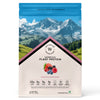 Plant Protein 22g | 500g | 3B CFU Probiotics | Canadian Mixed Berry
₹1,529 – ₹3,058
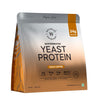 Biofermented Yeast Protein Isolate 24g| 500g |2B CFU Probiotics| 3 Digestive Enzymes | Cold Coffee
₹1,799 – ₹3,399
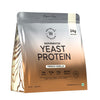 Biofermented Yeast Protein Isolate 24g| 500g |2B CFU Probiotics| 3 Digestive Enzymes | French Vanilla
₹1,799 – ₹3,399
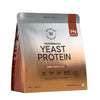 Biofermented Yeast Protein Isolate 24g| 500g |2B CFU Probiotics| 3 Digestive Enzymes |Dark Chocolate
₹1,799 – ₹3,399