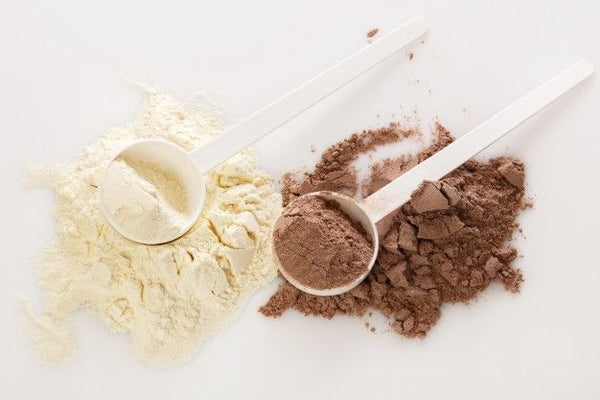
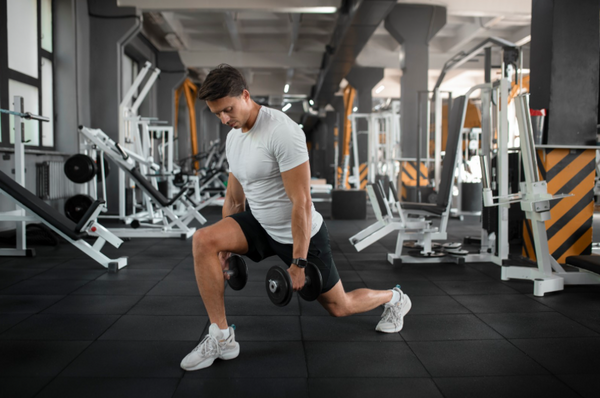
You finish your workout and suddenly the next question is harder than the workout itself: what should you eat now?
Eggs before training or after? Banana before the gym or with your post-workout meal? Protein immediately after lifting? Creatine before exercise? Social media has turned workout nutrition into a long list of rules, and it can be difficult to separate useful advice from unnecessary timing anxiety.
The truth is simpler. Your body needs adequate protein, carbohydrates, fluids and overall nutrition to recover from exercise. What you eat immediately after training can support that process, but it does not have to be a complicated meal or happen within a mythical 30-minute window.
If your next proper meal is an hour or two away, a convenient protein-rich snack can bridge the gap. If you're eating soon after your workout, your meal itself can take care of your recovery nutrition.
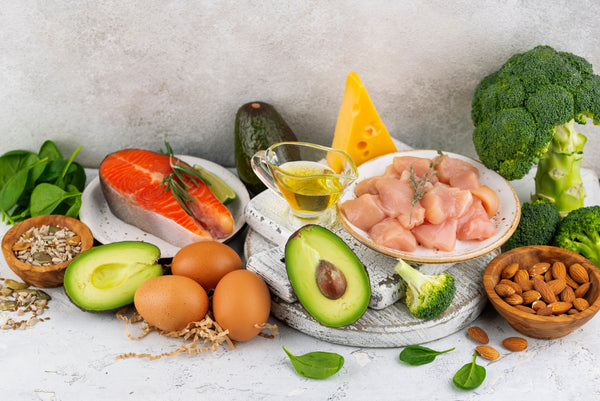
So, what to eat after a workout? Start with the nutrients your muscles actually need, then build meals around them.
What does your body need after a workout?
Exercise, particularly resistance training, creates a stimulus for muscle repair and adaptation. Protein provides the amino acids needed for muscle protein synthesis, while carbohydrates help replenish muscle glycogen. Fluids and electrolytes help replace losses from sweating. [NIH]
|
Key nutrient |
Why it matters after exercise |
|
Protein |
Provides essential amino acids for muscle protein synthesis and repair. Around 0.3 g/kg of high-quality protein in the early recovery period is a practical target. [NIH] |
|
Carbohydrates |
Help restore muscle glycogen, especially after long or high-intensity workouts or when another demanding session is coming soon. [NIH] |
|
Fluids & electrolytes |
Replace fluid and electrolyte losses and support normal physiological function. Requirements vary according to sweat rate, workout duration and environmental conditions. [NIH] |
|
Micronutrients |
Foods providing magnesium, calcium, iron, potassium and other micronutrients contribute to normal energy metabolism and muscle function. A varied diet remains the priority. [NIH] |
Do you really need to eat within 30 minutes?
Not necessarily.
The idea that you must finish a post workout meal within exactly 30 minutes or lose your gains is an oversimplification. Protein consumed in the early recovery period is useful, but the overall amount and distribution of protein across your day matter considerably.
A practical approach is to have a protein-rich option within roughly 0 to 2 hours after exercise, particularly if you have not eaten protein around your workout. [NIH]
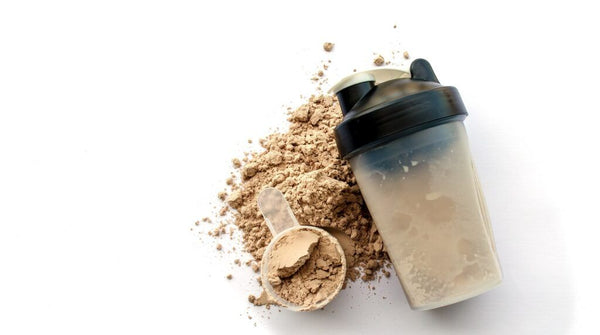
If dinner is 60 to 90 minutes away, you do not need to force down a full meal immediately. A whey shake, eggs, Greek yoghurt or plant protein can simply act as a bridge.
Your 7-Day Post-Workout Meal Plan
This plan separates immediate post-workout food from your proper meal. Portions are approximate and should be adjusted according to body size, training volume and calorie requirements.
|
Day |
Immediately after workout |
Proper meal 1 to 2 hours later |
Approx. nutrition* |
|
1 |
Greek yoghurt + banana / 2 boiled eggs + banana |
Moong dal chillas + paneer + spinach-tomato salad / Grilled chicken rice bowl + mixed vegetables |
~450 to 550 kcal, 30 to 35 g protein |
|
2 |
Plant protein shake + banana / Whey protein shake + banana |
Rajma curry + 2 whole-wheat rotis + cucumber raita / Chicken curry + 2 whole-wheat rotis + cucumber raita |
~450 to 600 kcal, 25 to 35 g protein |
|
3 |
Greek yoghurt + berries / 2 whole eggs + 2 egg whites |
Paneer quinoa bowl + roasted vegetables + curd / Grilled fish + quinoa + roasted vegetables + curd |
~450 to 550 kcal, 30 to 35 g protein |
|
4 |
Whey or plant protein shake + fruit |
Tofu stir-fry + rice + mixed vegetables / Chicken stir-fry + rice + mixed vegetables |
~450 to 600 kcal, 25 to 35 g protein |
|
5 |
2 besan chillas + Greek yoghurt / 2 whole eggs + 2 egg whites + fruit |
Palak paneer + 2 whole-wheat rotis + curd / Fish curry + steamed rice + sautéed spinach |
~450 to 600 kcal, 28 to 35 g protein |
|
6 |
Plant protein shake + banana / Whey protein shake + banana |
Chickpea and tofu bowl + brown rice + vegetables / Chicken and chickpea bowl + brown rice + vegetables |
~450 to 600 kcal, 28 to 35 g protein |
|
7 |
Greek yoghurt + banana + nuts / 2 whole eggs + 2 egg whites + fruit |
Paneer or tofu whole-wheat wrap + hummus + vegetables / Chicken whole-wheat wrap + hummus + vegetables |
~450 to 600 kcal, 28 to 35 g protein |
*Calories and protein are estimates. Actual values vary with portions, brands and preparation methods.
How to adapt the plan to your goal
For muscle gain, your post-workout meal should sit within a calorie surplus that supports your overall goal. Increasing portions of rice, rotis, potatoes, oats or other carbohydrate-rich foods can help raise energy intake.
For a post workout meal for weight loss, you do not need to eliminate carbohydrates. Keep protein high, prioritise vegetables and whole foods, and adjust portions so your total daily calorie intake aligns with your goal.
If your workout is particularly long or demanding, carbohydrates become more important, especially if another hard training session is scheduled soon. When there is plenty of recovery time before your next workout, your total daily carbohydrate intake becomes more important than obsessing over immediate glycogen replacement. [NIH]
Where do eggs, whey and plant protein fit?
Eggs are not magically more effective because you eat them after training. They are simply a convenient source of complete protein that can fit into either your immediate post-workout intake or your proper meal.
The same principle applies to protein supplements.
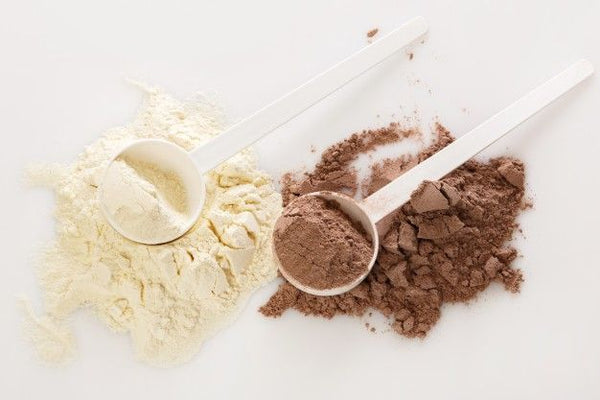
Whey protein, including whey protein isolate and whey concentrate, provides complete protein and is particularly rich in leucine, an amino acid involved in stimulating muscle protein synthesis. Human research supports whey as an effective protein source following resistance exercise. [NIH]
For people who avoid dairy, plant protein can help meet daily protein requirements. Choosing a product with an appropriate essential amino acid profile and sufficient protein per serving can make it easier to build a complete nutrition strategy.
Think of protein powder as a convenience tool, not a replacement for balanced meals. If your meals already provide enough protein, you may not need a shake after every workout.
And what about creatine?
Creatine is different from an immediate post-workout food. Its benefits come from increasing muscle creatine stores over time rather than providing an instant recovery effect.
Creatine monohydrate is the most extensively studied form. A commonly used maintenance intake is 3 to 5 g daily, following an optional loading phase. Research and NIH guidance associate creatine supplementation with improvements in strength and high-intensity exercise performance when combined with appropriate training. [NIH]
So, you can take it before or after your workout. Consistency is more important than trying to find a perfect minute.

Choosing supplements with quality in mind
When food alone does not conveniently cover your nutritional requirements, supplements can fill the gap. Whey protein, whey protein isolate, whey concentrate, plant protein and creatine can all have a practical role depending on your diet and training goals.
But the label matters. Look for products with transparent ingredient lists, appropriate protein content, minimal unnecessary additives and, where available, credible third-party testing or certification. For protein powders, checking added sugar and the overall ingredient profile is particularly useful.
You do not need an elaborate stack to recover well. Build your diet around adequate protein, quality carbohydrates, fruits and vegetables, hydration and sufficient calories first. Then use supplements strategically where they make meeting those needs easier.
Key Takeaways
-
A post-workout meal should provide protein and, depending on your training, carbohydrates, fluids and micronutrients.
-
You do not have to eat a full meal within 30 minutes of finishing your workout.
-
Around 0.3 g/kg of high-quality protein in the early recovery period is a useful practical target.
-
Whey protein, whey protein isolate, whey concentrate and plant protein can help close protein gaps when whole foods are inconvenient.
-
Creatine works through consistent use over time, not through precise pre- or post-workout timing.
FAQs
1. What is the best post workout meal for muscle gain?
A balanced meal containing around 20 to 40 g of protein, a suitable carbohydrate source and nutrient-rich whole foods is a practical choice. Chicken and rice, paneer and quinoa, or eggs with rotis can all work.
2. What to eat after exercise for muscle recovery?
Choose a protein-rich food such as eggs, yoghurt, chicken, paneer, tofu or protein powder, along with carbohydrates when your workout is demanding. Hydration is also important.
3. What to eat after gym if I want to lose weight?
Choose a protein-rich, calorie-appropriate meal with vegetables and a sensible carbohydrate portion. A post workout meal for weight loss does not need to be carbohydrate-free.
4. Is whey protein good after a workout?
Yes. Whey protein provides complete protein and essential amino acids and is a convenient option when a proper meal is not immediately available.
5. Is whey protein isolate better than whey concentrate?
Both can provide high-quality protein. Whey protein isolate generally contains a higher percentage of protein and less lactose and fat, while whey concentrate can also be an effective option.
6. Can I eat eggs after my workout?
Absolutely. Eggs provide complete protein and can be part of an after workout meal or a smaller immediate post-workout snack.
7. Should I take creatine before or after my workout?
Creatine does not depend on a narrow timing window. Taking it consistently every day is more important than whether you take it before or after training.
8. What to eat post workout on a vegetarian diet?
Paneer, Greek yoghurt, tofu, soy, lentils, eggs if you consume them, and a quality plant protein can all contribute to your daily protein intake.
9. What is the best food after workout?
There is no single best food. The most useful best food after workout depends on your protein needs, training intensity, calorie goals, dietary preferences and how soon you will eat your next meal.
10. Do I need protein powder after every workout?
No. If you already meet your protein needs through food, a shake is optional. Protein powder is primarily a convenient way to fill a nutritional gap when getting enough protein from meals is difficult.

Recommended Products
 Whey Protein Concentrate 27g | 1kg | 4B CFU Probiotics | Unflavoured
₹3,999 – ₹7,998
Whey Protein Concentrate 27g | 1kg | 4B CFU Probiotics | Unflavoured
₹3,999 – ₹7,998
 Whey Protein Isolate + Concentrate 24g | 1kg | 4B CFU Probiotics | Kesar Pista Badam
₹5,199 – ₹10,398
Whey Protein Isolate + Concentrate 24g | 1kg | 4B CFU Probiotics | Kesar Pista Badam
₹5,199 – ₹10,398
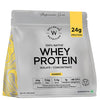 Whey Protein Isolate + Concentrate 24g | 1kg | 4B CFU Probiotics | Mango Flavoured
₹4,399 – ₹8,798
Whey Protein Isolate + Concentrate 24g | 1kg | 4B CFU Probiotics | Mango Flavoured
₹4,399 – ₹8,798
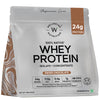 Whey Protein Isolate + Concentrate 24g | 1kg | 4B CFU Probiotics | Swiss Chocolate
₹5,199 – ₹10,398
Whey Protein Isolate + Concentrate 24g | 1kg | 4B CFU Probiotics | Swiss Chocolate
₹5,199 – ₹10,398
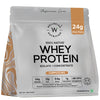 Whey Protein Isolate + Concentrate 24g | 1kg| 4B CFU Probiotics | Cappuccino
₹5,199 – ₹10,398
Whey Protein Isolate + Concentrate 24g | 1kg| 4B CFU Probiotics | Cappuccino
₹5,199 – ₹10,398
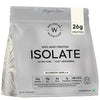 Whey Protein Isolate 26g | 1kg | 4B CFU Probiotics | Bourbon Vanilla
₹6,399 – ₹12,799
Whey Protein Isolate 26g | 1kg | 4B CFU Probiotics | Bourbon Vanilla
₹6,399 – ₹12,799
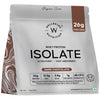 Whey Protein Isolate 26g | 1kg | 4B CFU Probiotics | Dark Chocolate
₹6,399 – ₹12,399
Whey Protein Isolate 26g | 1kg | 4B CFU Probiotics | Dark Chocolate
₹6,399 – ₹12,399
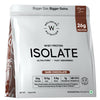 Whey Protein Isolate 26g | 2kg | 4B CFU Probiotics | Dark Chocolate
₹12,399 – ₹24,798
Whey Protein Isolate 26g | 2kg | 4B CFU Probiotics | Dark Chocolate
₹12,399 – ₹24,798
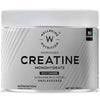 Creatine Monohydrate | 100g | 300mg Taurine | Unflavoured
₹494 – ₹988
Creatine Monohydrate | 100g | 300mg Taurine | Unflavoured
₹494 – ₹988
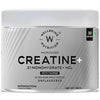 Creatine Monohydrate + HCL | 100g | 300mg Taurine | Unflavoured
₹584 – ₹1,168
Creatine Monohydrate + HCL | 100g | 300mg Taurine | Unflavoured
₹584 – ₹1,168