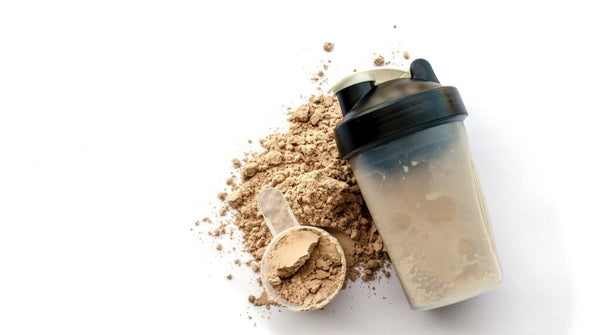
You've finished your workout, reached for your shaker and added one scoop of whey protein. But then comes the familiar gym conversation: Is one scoop enough to build muscle? Should you be taking two? And does consuming more protein actually translate into better results?
Here's the thing. It's not just about how many scoops you take. It's about the quality of your whey protein and how much protein your everyday meals contribute to your diet.
When both are in place, one scoop can be perfectly sufficient. But if your meals consistently fall short of your protein requirements, supplementation can help bridge the gap.
Let's understand how to get this balance right.
What does one scoop of whey protein actually provide?
A typical 30 g scoop of whey protein powder provides approximately 20–25 g of protein, although some advanced formulations deliver closer to 28–30 g.
How many calories are in one scoop of whey protein?
Most standard 30 g servings contain approximately 110–130 calories, depending on their protein, carbohydrate and fat content.
Whey is a milk-derived, complete protein containing all nine essential amino acids, including leucine, which plays an important role in activating muscle protein synthesis.
Why is protein / whey protein a useful post-workout supplement?
Whey protein is popular for a reason. It is easily digested, provides essential amino acids and offers a convenient way to increase daily protein intake.
Here are three ways it supports your fitness routine:
-
Supports muscle protein synthesis: Whey provides essential amino acids, including leucine, that help activate the process through which your body builds new muscle proteins. [NIH].
-
Supports muscle recovery: Protein supplies the amino acids your body needs to repair and rebuild muscle proteins following exercise. [NIH]
-
Helps build and maintain muscle mass: Combined with consistent resistance training and adequate daily protein intake, whey supplementation can support improvements in muscle mass and strength. [NIH]
Is one scoop of whey protein enough after a workout?
Yes, one scoop can be enough. But before deciding whether you need one scoop or two, consider two important factors: the quality of your whey protein and the protein content of your everyday meals.
If your whey provides approximately 25–30 g of high-quality protein per serving, with all nine essential amino acids, and your meals regularly include protein-rich foods such as eggs, paneer, dal, chicken, fish, yoghurt or legumes, one scoop can be sufficient to support your post-workout protein needs.
Research suggests that approximately 20–40 g of high-quality protein per serving can stimulate muscle protein synthesis, depending on individual requirements and the type of exercise performed. [NIH]
However, if your meals are consistently low in protein, even a good-quality whey supplement may not be enough to meet your total daily requirement. In that case, an additional serving can help bridge the nutritional gap.
The takeaway: It's not just about how much whey protein you consume. It's about choosing a high-quality protein supplement and combining it with a protein-rich diet. When both work together, one scoop may be all you need.
Understanding quality of your whey protein powder
Two protein powders may provide similar amounts of protein per scoop, but that doesn't automatically make them equivalent.
Here's what to look for when choosing a whey protein powder.
1. Source and processing
Whey is the milk-derived protein fraction separated during cheese or casein production. It is subsequently filtered and processed to concentrate its protein content. The quality of the starting material, filtration and manufacturing processes all matter.
2. Protein content and amino acid profile
Look for a complete protein containing all nine essential amino acids. Check the leucine content, too, as it plays an important role in stimulating muscle protein synthesis.
3. Clean-label standards
Choose products with transparent ingredient lists, clear nutritional information and credible third-party quality testing. Certifications such as Clean Label Project can offer additional assurance regarding testing for contaminants. Non-GMO verification may also be relevant if that is a personal preference.
4. Understand the difference between whey concentrate and isolate
-
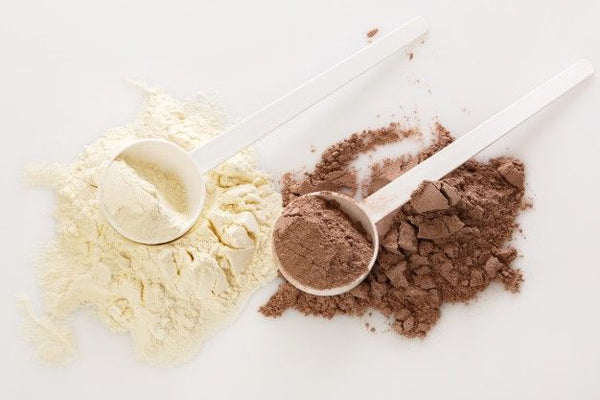
Whey protein concentrate (WPC): Contains protein alongside small amounts of carbohydrates, fats and naturally occurring milk components.
-
Whey protein isolate (WPI): Undergoes additional filtration to deliver a higher protein concentration, generally with less lactose, fat and carbohydrates.
Neither is automatically better for everyone. Your dietary preferences, digestion and nutritional requirements should guide your choice.
An added ingredient worth knowing: Velositol®
Some advanced whey formulations also include Velositol®, a patented amylopectin and chromium complex designed to complement protein supplementation. Published human research has explored its potential to enhance the muscle protein synthesis response when combined with whey protein. [NIH]
How much protein do you actually need per day?
Before deciding whether you need one or two scoops, calculate your daily protein requirement.
According to ICMR-NIN 2020, the recommended dietary allowance (RDA) for healthy Indian adults is approximately 0.83 g of protein per kg of body weight per day. However, people who exercise regularly, particularly those doing resistance training, may benefit from higher intakes. [ICMR]
The International Society of Sports Nutrition suggests approximately 1.4–2.0 g/kg/day for most exercising individuals. [NIH]

What does a high-protein day actually look like?
You don't have to rely on protein powder for every meal. A combination of everyday foods and one or two protein shakes, depending on your requirements, can help you meet your target.
Here's an example of how someone aiming for approximately 100–110 g of protein could structure their day.

If your meals already provide enough protein, one scoop can comfortably fit into this routine. If your daily intake falls short, an additional serving can help you reach your target.
The goal is to build a protein-rich diet first and use supplementation to make meeting your requirements easier.
What if whey protein isn't for you?
Whey isn't the only way to meet your protein requirements.
-
Plant protein: Pea, soy and rice protein formulations are useful alternatives for vegans or those avoiding dairy.
-
Yeast protein: Fermented protein derived from Saccharomyces cerevisiae offers another non-dairy option with a complete amino acid profile in suitable formulations.
-
Whey isolate: A useful option for people who prefer whey but want a formulation with less lactose.
Choose the protein source that suits your dietary preferences, digestion and nutritional needs.
The bottom line
One scoop of whey protein can be enough after a workout, particularly when it provides approximately 25–30 g of high-quality protein and your everyday meals supply the rest of your requirements.
If your diet is already rich in protein, there's no reason to add another scoop simply because you've worked out harder. But if your meals consistently fall short, an additional serving can help bridge the gap.
Think beyond the shaker. Prioritise protein-rich meals, train consistently, allow enough time for recovery and use supplements to fill genuine nutritional gaps. Building muscle is less about how many scoops you take and more about how well you nourish your body throughout the day.
FAQs
1. How much protein is in one scoop of whey protein?
A standard 30 g scoop generally provides 20–25 g of protein, while some advanced formulations provide 28–30 g. Always check the nutrition label.
2. How many calories are in one scoop of whey protein?
A typical 30 g scoop contains approximately 110–130 calories, depending on its protein, carbohydrate and fat content.
3. Is one scoop of whey protein enough to build muscle?
Yes, it can be enough if your overall daily protein intake meets your requirements and you follow a consistent resistance training routine.
4. Should I take two scoops of whey protein after a workout?
Not necessarily. Consider an additional serving if your daily protein intake is insufficient. Your body weight, training routine and food intake should guide the quantity.
5. Is whey protein better than plant protein?
Whey is a complete protein with a high essential amino acid and leucine content. However, well-formulated plant protein combinations can also support muscle growth and recovery.
6. Can I take whey protein without working out?
Yes. Whey can help you meet your daily protein requirements even on rest days. Protein supports muscle maintenance and other essential bodily functions.
7. Is whey protein isolate better than concentrate?
Whey isolate generally contains more protein per serving and less lactose, fat and carbohydrates. Concentrate retains slightly more of these naturally occurring components.
8. When should I take whey protein after a workout?
You can consume whey after your workout or include it in a meal within a few hours of training. Total daily protein intake matters more than hitting a strict 30-minute anabolic window.
9. Can whey protein help with weight loss?
Whey can support muscle maintenance during weight loss and increase meal protein content. Its protein content may also promote satiety, although overall calorie intake remains important.
10. Is yeast protein a good alternative to whey protein?
Yes. Fermented yeast protein can provide a complete amino acid profile in suitable formulations and offers a non-dairy alternative for people looking beyond conventional whey and plant protein powders.
Key takeaways
-
One scoop providing approximately 25–30 g of quality protein can be sufficient after a workout.
-
A protein-rich diet combined with one scoop of whey can meet daily requirements for many people.
-
If meals fall short of your protein target, an additional serving can help bridge the nutritional gap.
-
Whey quality, processing, amino acid composition and ingredient transparency matter when choosing a supplement.
-
Whey, plant and yeast protein can all complement a balanced, protein-rich diet.
Note: Protein requirements vary with age, activity, health status and training goals. People with kidney disease or other medical conditions should seek individualised advice before increasing protein intake.

Recommended Products
 Whey Protein Concentrate 27g | 1kg | 4B CFU Probiotics | Unflavoured
₹3,999 – ₹7,998
 Whey Protein Isolate + Concentrate 24g | 1kg | 4B CFU Probiotics | Kesar Pista Badam
₹5,199 – ₹10,398
 Whey Protein Isolate + Concentrate 24g | 1kg | 4B CFU Probiotics | Mango Flavoured
₹4,399 – ₹8,798
 Whey Protein Isolate + Concentrate 24g | 1kg | 4B CFU Probiotics | Strawberry
₹5,199
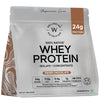 Whey Protein Isolate + Concentrate 24g | 1kg | 4B CFU Probiotics | Swiss Chocolate
₹5,199 – ₹10,398
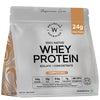 Whey Protein Isolate + Concentrate 24g | 1kg| 4B CFU Probiotics | Cappuccino
₹5,199 – ₹10,398
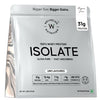 Whey Protein Isolate 31g | 2kg | 4B CFU Probiotics | Unflavoured
₹12,399 – ₹24,798