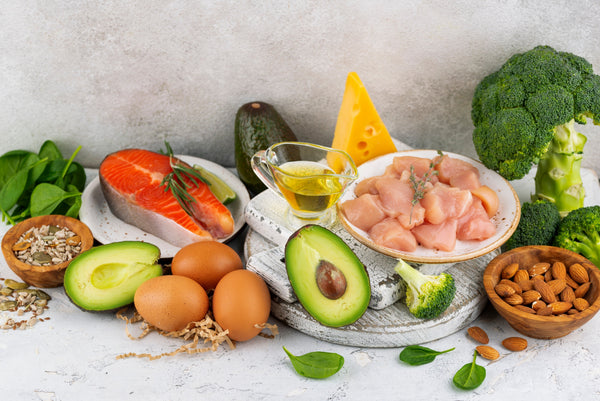
Eggs have been a breakfast favourite for generations. Boiled, scrambled, poached or tucked into an omelette, they have always been one of the easiest ways to add good-quality protein to your plate. And if you have ever followed a fitness routine, chances are someone has recommended eating eggs every day.
But here is something interesting. Most conversations around eggs start and end with protein. Some people even remove the yolk, assuming the egg white is where all the goodness lies.
In reality, the yolk is where several important nutrients are concentrated. So, what happens when you eat two eggs every day? Is it just about muscle recovery, or is there more to these everyday breakfast staples?
Let's look at what two eggs actually offer and why they deserve more attention than just their protein content.
What Is the Nutritional Value of Two Eggs?

6 Benefits of Eating Two Eggs Daily
1. Supports Muscle Growth and Everyday Recovery
Two eggs provide approximately 12–13 g of complete protein, containing all nine essential amino acids your body cannot produce on its own.
These amino acids support muscle protein synthesis, tissue repair and recovery after physical activity. Whether you are strength training, walking regularly or simply trying to maintain muscle as you age, adequate protein intake matters.
The leucine and other essential amino acids in eggs also contribute to the muscle-building process. [NIH]
2. Supports Brain Health and Memory
Here is a nutrient that deserves more attention: choline.
Two large eggs provide approximately 294 mg of choline, an essential nutrient required to produce acetylcholine, a neurotransmitter involved in memory, mood, muscle control and nervous system function.
Choline also helps maintain cell membranes and supports lipid metabolism in the liver. So, when you eat the whole egg, you are getting more than protein. You are also supplying a nutrient involved in several important functions of the brain and body. [NIH]
3. Contributes to Healthy Vision
Think twice before discarding the yolk. It contains two important carotenoids: lutein and zeaxanthin.
These compounds accumulate in the retina, particularly in the macula, where they contribute to macular pigment. Research on egg consumption has found improvements in circulating lutein and zeaxanthin levels and macular pigment measures.
This makes whole eggs an interesting addition to a diet that supports long-term eye health. [NIH]
4. Supports Red Blood Cell Formation and Energy Metabolism
Ever wondered why eggs are considered nutrient-dense foods beyond their protein content?
They provide vitamin B12 and riboflavin (B2), both involved in essential metabolic processes.
Vitamin B12 supports healthy red blood cell formation, DNA synthesis and nerve function. Riboflavin helps your body convert food into usable energy and supports normal cellular function.
These nutrients contribute to everyday physiological functions, although eggs alone cannot address every nutritional deficiency. [NIH]
5. Contributes to Healthy Hair, Skin and Tissue Maintenance
Your hair, skin and other body tissues rely on a steady supply of nutrients for their normal maintenance and repair.
Eggs provide complete protein, which supplies amino acids used to build and maintain body tissues. They also contain vitamin A, which supports normal skin and cellular function, alongside B vitamins involved in metabolism.
While eating two eggs daily will not automatically give you thicker hair or glowing skin, they can contribute to the nutritional foundation needed for healthy tissue maintenance. [NIH]
6. Supports Thyroid Function and Antioxidant Defence
Two eggs provide approximately 31 mcg of selenium, an essential trace mineral involved in producing selenoproteins.
These proteins support thyroid hormone metabolism and help protect cells against oxidative damage.
Selenium also participates in normal reproductive function and DNA synthesis. It is another reason eggs offer a broader nutritional profile than their protein content alone suggests. [NIH]
Is Eating Two Eggs Every Day Safe?
This is where individual requirements matter.
Egg yolks contain dietary cholesterol, with two large eggs providing approximately 370 mg. However, current nutrition guidance places greater emphasis on your overall dietary pattern rather than judging foods by one nutrient alone.
The American Heart Association's 2026 dietary guidance recognises that moderate egg consumption can fit into a heart-healthy eating pattern and that dietary cholesterol is no longer a primary target for cardiovascular risk reduction for most people. [NIH]
However, two eggs daily should not be treated as a universal recommendation. If you have elevated LDL cholesterol, familial hypercholesterolaemia or existing cardiovascular disease, discuss your intake with your healthcare professional.
Also consider what accompanies your eggs. Boiled eggs with whole-grain toast and vegetables are very different from eggs regularly served with processed meats, excess butter and high-sodium sides.
Are Two Eggs Enough to Meet Your Daily Protein Requirements?
Not necessarily. Two eggs provide around 12–13 g of protein, which is a useful contribution but may not meet your daily requirements, particularly if you are strength training or have higher protein needs.
Start with food sources such as chicken, fish, paneer, tofu, lentils and Greek yoghurt. If there is still a gap, protein powders can offer additional convenience.
Depending on your preferences, options include whey protein concentrate, whey protein isolate, plant protein blends or fermented yeast protein. Whey isolate generally contains less lactose than whey concentrate, while plant protein and yeast protein offer non-dairy alternatives.
Remember: Protein supplements should complement your diet, not replace balanced meals. Your daily protein target should be based on your body weight, activity levels and individual goals.
The Bottom Line
The next time you think of eggs, look beyond the protein count. Two whole eggs offer a combination of essential amino acids, choline, B12, selenium and other nutrients that support several functions throughout your body.
The real nutritional value lies in eating the whole egg, balancing your meals and understanding what your body needs.
FAQs
1. How many calories are in two boiled eggs?
Two large boiled eggs contain approximately 155 calories and 12–13 g of protein.
2. Is eating two eggs every day good for health?
Eggs provide high-quality protein, choline, B12 and selenium. Whether two daily suits you depends on your overall diet and individual health profile.
3. Is it better to eat whole eggs or egg whites?
Whole eggs provide protein alongside choline, vitamin D, B12 and carotenoids. Egg whites provide protein but contain fewer micronutrients.
4. Does eating two eggs daily increase cholesterol?
Dietary cholesterol can influence blood LDL levels, but individual responses vary. Your overall dietary pattern and health profile also matter.
5. Are two eggs enough protein for muscle building?
Two eggs provide around 12–13 g of protein. Muscle growth requires adequate total daily protein alongside resistance training.
6. Are eggs good for hair growth and skin health?
Eggs supply protein and nutrients involved in normal tissue maintenance. However, eating eggs alone is not a proven treatment for hair loss or skin concerns.
7. What is the best time to eat eggs?
There is no universally established best time. Eggs can be included at breakfast, lunch or dinner depending on your nutritional needs.
8. Are boiled eggs healthier than fried eggs?
Boiled eggs generally require no added cooking fat. Fried eggs can contain more calories depending on the oil or butter used.
9. Can you eat two eggs daily while trying to lose weight?
Eggs can fit into a weight-management diet because they provide protein and dietary fat. Overall calorie intake and meal balance still matter.
10. Is eating egg yolks every day safe?
Egg yolks provide several important nutrients, including choline and lutein. People with specific cholesterol or cardiovascular concerns should personalise their intake with professional guidance

Recommended Products
 Biofermented Yeast Protein Isolate 24g| 500g |2B CFU Probiotics| 3 Digestive Enzymes | Cold Coffee
₹1,804 – ₹3,418
 Biofermented Yeast Protein Isolate 24g| 500g |2B CFU Probiotics| 3 Digestive Enzymes | French Vanilla
₹1,804 – ₹3,418
 Biofermented Yeast Protein Isolate 24g| 500g |2B CFU Probiotics| 3 Digestive Enzymes |Dark Chocolate
₹1,804 – ₹3,418
 Whey Protein Concentrate 27g | 1kg | 4B CFU Probiotics | Unflavoured
₹4,499 – ₹8,998
 Whey Protein Isolate + Concentrate 24g | 1kg | 4B CFU Probiotics | Kesar Pista Badam
₹5,849 – ₹11,698
 Whey Protein Isolate + Concentrate 24g | 1kg | 4B CFU Probiotics | Mango Flavoured
₹5,849 – ₹11,698
 Whey Protein Isolate + Concentrate 24g | 1kg | 4B CFU Probiotics | Strawberry
₹5,849
 Whey Protein Isolate + Concentrate 24g | 1kg | 4B CFU Probiotics | Swiss Chocolate
₹5,849 – ₹11,698
 Whey Protein Isolate + Concentrate 24g | 1kg| 4B CFU Probiotics | Cappuccino
₹5,849 – ₹11,698
 Her Superfood Plant Protein | Chocolate Peanut Butter
₹1,529 – ₹3,058
 Plant Protein 22g | 500g | 3B CFU Probiotics | Belgian Dark Chocolate
₹1,529 – ₹3,058
 Plant Protein 22g | 500g | 3B CFU Probiotics | Canadian Mixed Berry
₹1,529 – ₹3,058