Every few months, the protein supplement market seems to have a new favourite. First, it was whey protein. Then came plant protein, pea protein, soy protein and protein blends. Now, another name is entering the conversation: fermented yeast protein.
From the US alternative-protein space to newer protein powder launches, yeast protein is attracting attention as people explore alternatives to conventional dairy and plant-based supplements.
But naturally, a few questions follow. Is yeast protein actually a complete protein? Does it contain all nine essential amino acids? Can it support muscle growth just like whey protein? And how does something made using yeast fermentation become a source of everyday protein?
The answer lies in understanding amino acids. Because when it comes to protein quality, the number of grams on your protein powder label is only part of the story.
First, What Makes a Protein Complete?
Think of protein as a structure built using smaller components called amino acids. Your body uses these amino acids to build muscle tissue, repair cells, produce enzymes and support several essential physiological functions.
There are 20 amino acids involved in making human proteins. Nine are classified as essential because your body cannot produce them in sufficient quantities. You must obtain them through food or supplements.
A protein is generally called complete when it provides all nine essential amino acids.
This matters because your body needs the full essential amino acid supply to build and maintain proteins. Having plenty of one amino acid cannot compensate for an inadequate supply of another. [NIH]
Is Yeast Protein a Complete Protein?
Yes. Fermented yeast protein derived from Saccharomyces cerevisiae can provide all nine essential amino acids, making it a complete protein source.
The ingredient is produced through controlled biofermentation, where yeast cells multiply in a nutrient-rich environment. The harvested biomass is then processed to concentrate its protein and, depending on the manufacturing method, improve digestibility and reduce nucleic acid content.
Unlike nutritional yeast, which is typically consumed as deactivated flakes or seasoning, fermented yeast protein is processed specifically to obtain a concentrated protein ingredient.
Research on yeast protein has identified a broad essential amino acid profile, including all nine amino acids needed in the human diet. [NIH]
However, remember that not all yeast protein powders are identical. The yeast strain, fermentation conditions and processing methods influence the final amino acid profile and digestibility.
The 9 Essential Amino Acids in Yeast Protein and What They Do
This is where yeast protein gets interesting. Each essential amino acid has a different role, from supporting muscle protein synthesis to producing important compounds involved in normal brain and cellular function.
|
Essential amino acid |
What it does in your body |
|
Leucine |
Activates signalling pathways involved in muscle protein synthesis, supporting muscle growth and repair |
|
Isoleucine |
A branched-chain amino acid involved in muscle metabolism and energy production |
|
Valine |
Supports protein formation and can be used by muscles as an energy source during exercise |
|
Lysine |
Supports protein synthesis, collagen formation and tissue maintenance |
|
Methionine |
Contributes to methylation reactions and the production of other sulphur-containing compounds |
|
Phenylalanine |
Converts into tyrosine, which is used to produce neurotransmitters such as dopamine and norepinephrine |
|
Threonine |
Contributes to structural proteins, including collagen, elastin and intestinal mucins |
|
Tryptophan |
Acts as a precursor to serotonin and melatonin, besides supporting normal protein synthesis |
|
Histidine |
Supports protein synthesis and serves as a precursor to histamine, which is involved in immune and digestive functions |
Why does this combination matter? Leucine may help initiate muscle protein synthesis, but the remaining essential amino acids are needed to sustain the process and build new muscle proteins.
Similarly, tryptophan and phenylalanine contribute to the production of important neurotransmitters, while lysine and threonine participate in structural protein formation. [NIH] | [NIH] | [NIH]
It is the combination, rather than one standout amino acid, that makes a complete protein nutritionally valuable.
What Does This Mean for Your Protein Intake?
Having all nine essential amino acids makes fermented yeast protein an interesting option for everyday protein supplementation.
Here are three reasons worth considering:
1. Supports muscle growth and recovery
Protein provides amino acids required for muscle protein synthesis, tissue repair and recovery after exercise. Yeast protein offers both essential amino acids and branched-chain amino acids, including leucine. [NIH]
2. Offers a non-dairy complete protein source
Unlike whey protein, yeast protein is not derived from milk. This makes it an option for people looking for a complete, non-animal protein source. Check the finished product for added dairy ingredients and cross-contamination.
3. Helps complement everyday protein intake
Whether you exercise regularly or simply struggle to get enough protein through meals, yeast protein powder can help fill nutritional gaps. It can be incorporated into smoothies, shakes or other everyday foods.
Human research comparing yeast protein and whey is emerging, including research on muscle function in older adults. However, the evidence base is still considerably smaller than that for whey. [NIH]

Complete Protein Does Not Always Mean Equal Protein Quality
Here is an important distinction when comparing protein powders.
Two proteins can contain all nine essential amino acids but differ in how much of each amino acid they provide and how efficiently the body digests and absorbs them.
This is why protein quality is evaluated using measures such as:
-
PDCAAS: Protein Digestibility Corrected Amino Acid Score.
-
DIAAS: Digestible Indispensable Amino Acid Score.
A recent nutritional assessment found that the tested yeast protein had a strong amino acid score, although its measured digestibility was lower than the animal proteins compared.
In other words, being complete is important, but digestibility matters too. [NIH]
How to Choose a Good Yeast Protein Powder
Before buying fermented yeast protein, look beyond the complete-protein claim.
-
Protein per serving: Check the actual grams of protein delivered per scoop.
-
Essential amino acid profile: Look for all nine EAAs and their individual quantities.
-
Leucine content: Particularly relevant if your goal is muscle growth and recovery.
-
Protein quality: Look for documented PDCAAS or DIAAS values.
-
Fermentation and processing: Check whether the ingredient is derived from a food-grade Saccharomyces cerevisiae strain and appropriately processed.
-
Clean formulation: Review added sugars, fillers, flavours and preservatives.
-
Quality testing: Look for batch-specific testing and transparent safety information, including nucleic acid specifications where relevant.
The Bottom Line
Yes, fermented yeast protein can be a complete protein, providing all nine essential amino acids needed for normal body functions, muscle maintenance and recovery.
But don't judge a protein powder by its completeness alone. Its amino acid quantities, digestibility, protein content and manufacturing quality matter just as much.
FAQs
1. Is yeast protein a complete protein?
Yes. Fermented Saccharomyces cerevisiae protein can provide all nine essential amino acids, making it a complete protein source.
2. Does yeast protein contain all nine essential amino acids?
Yes. Its amino acid profile can include leucine, isoleucine, valine, lysine, methionine, phenylalanine, threonine, tryptophan and histidine.
3. Is fermented yeast protein good for muscle building?
It provides essential amino acids needed for muscle protein synthesis. Combined with resistance training and sufficient daily protein intake, it can support muscle maintenance and growth.
4. Is yeast protein better than whey protein?
Neither is universally better. Whey has a larger human research base, while yeast protein offers a non-dairy alternative with a complete essential amino acid profile.
5. Is yeast protein vegan?
Yes. Protein derived from Saccharomyces cerevisiae is non-animal-based and suitable for vegan diets, provided the finished product contains no animal-derived additions.
6. What is the difference between nutritional yeast and yeast protein?
Nutritional yeast is generally sold as deactivated whole yeast flakes, while yeast protein is processed to concentrate its protein content.
7. Does yeast protein contain leucine and BCAAs?
Yes. Yeast protein naturally contains all three branched-chain amino acids: leucine, isoleucine and valine. Their quantities depend on the specific ingredient.
8. Can yeast protein replace whey protein?
It can serve as an alternative protein source, particularly for people avoiding dairy. However, compare protein content, amino acid profile and digestibility before choosing.
9. Does yeast protein cause bloating?
Some people may experience digestive discomfort depending on the formulation and individual tolerance. Processing quality and additional ingredients can also influence tolerance.
10. Can you take fermented yeast protein every day?
Yes, it can be consumed daily as part of an appropriate protein intake. Your serving size should depend on your overall dietary protein requirements and the product's nutritional composition.

Recommended Products
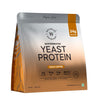 Biofermented Yeast Protein Isolate 24g| 500g |2B CFU Probiotics| 3 Digestive Enzymes | Cold Coffee
₹1,804 – ₹3,418
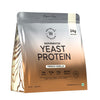 Biofermented Yeast Protein Isolate 24g| 500g |2B CFU Probiotics| 3 Digestive Enzymes | French Vanilla
₹1,804 – ₹3,418
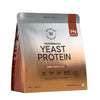 Biofermented Yeast Protein Isolate 24g| 500g |2B CFU Probiotics| 3 Digestive Enzymes |Dark Chocolate
₹1,804 – ₹3,418
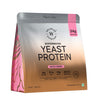 Biofermented Yeast Protein Isolate 24g| 500g |2B CFU Probiotics| 3 Digestive Enzymes |Mixed Berry
₹1,804 – ₹3,418
 Biofermented Yeast Protein Isolate 31g | 500g | Unflavoured
₹1,709 – ₹3,238